
 This Harry Bosch thriller is more than just a murder case. Public safety is at stake, with a sizeable amount of a radioactive substance having been taken from medical facilities, possibly by terrorists. Whilst Harry Bosch is intent on solving the murder, federal agencies are focussed on chasing the trail of the caesium before it can be turned into a dirty bomb. Tensions mount, with Harry unsure whether he can even trust his some-time lover, special agent Rachel Walling, who is heading up the Tactical Intelligence Unit of the LA FBI office.

Book Review: The Overlook, Michael Connelly
Filed under Book Review
Rambling: Otford 6 mile circular, Kent
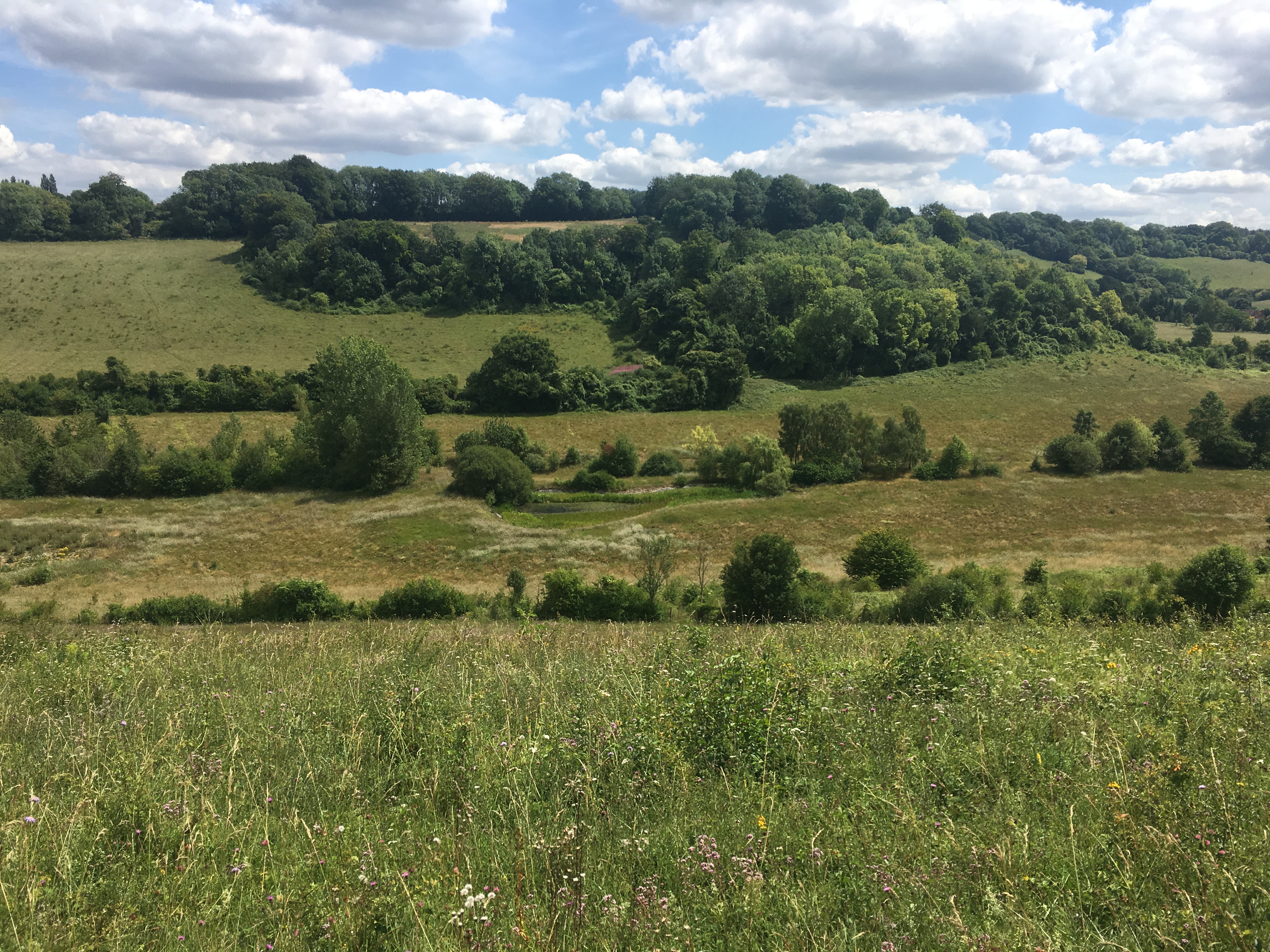
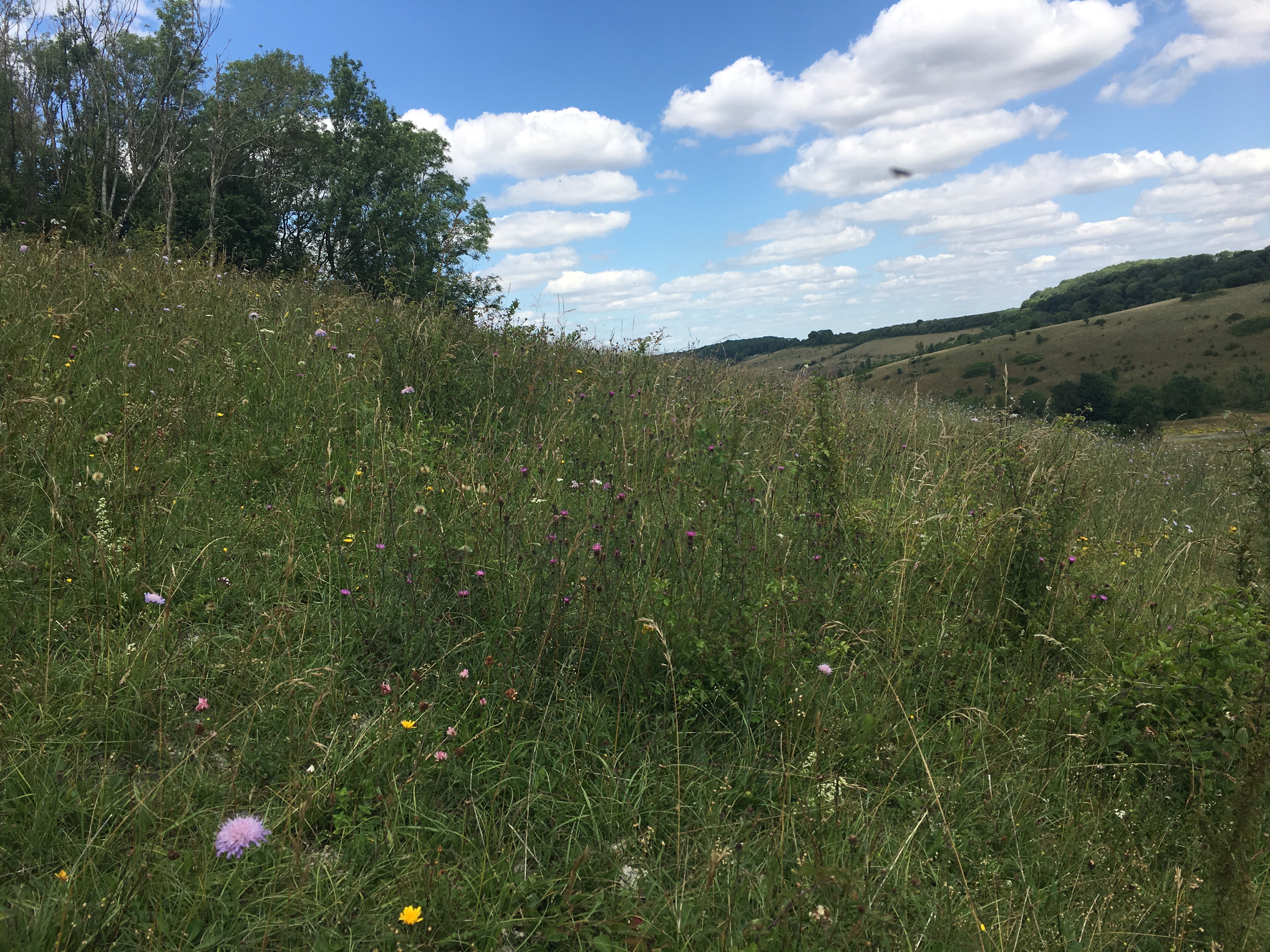
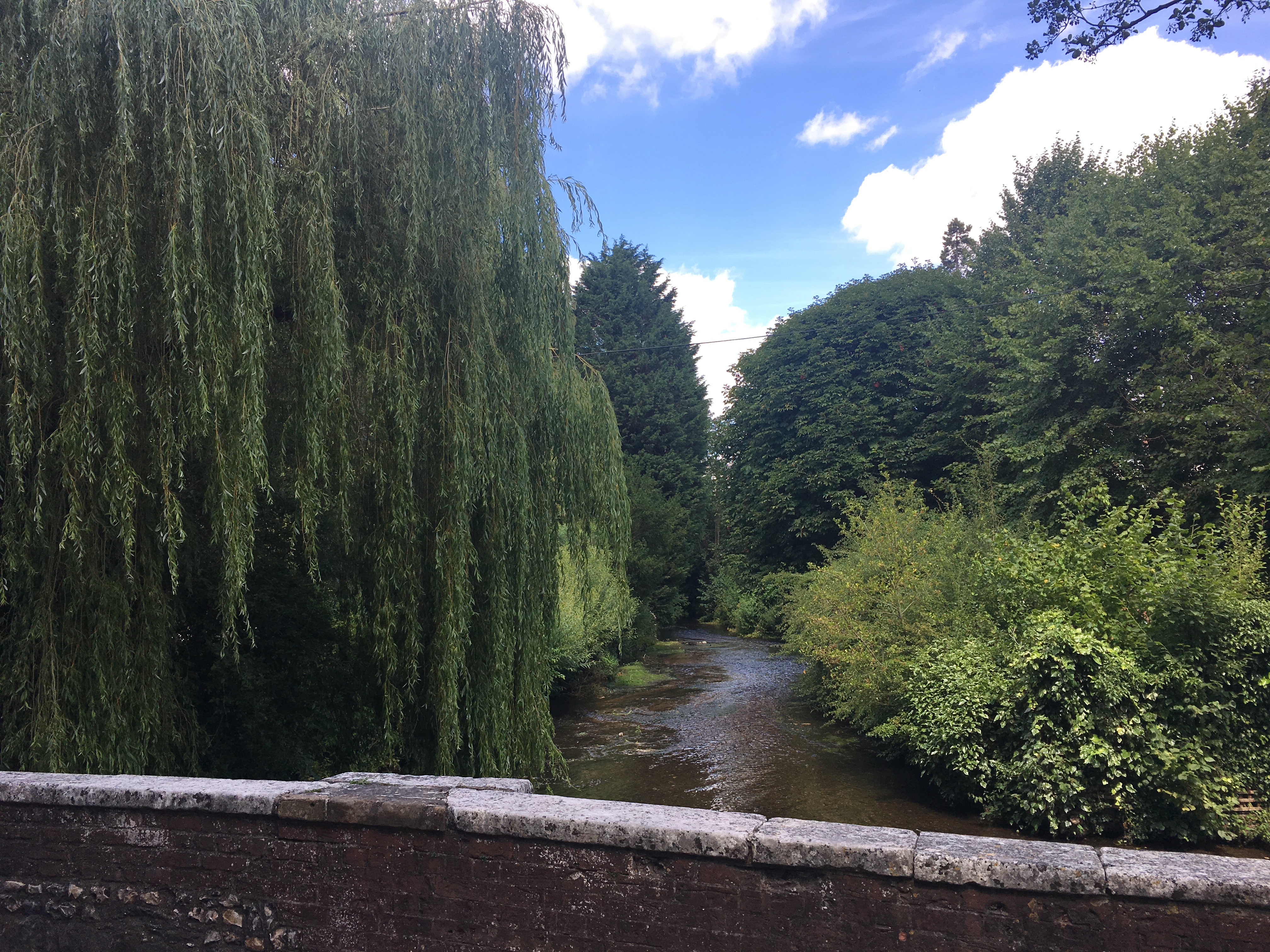
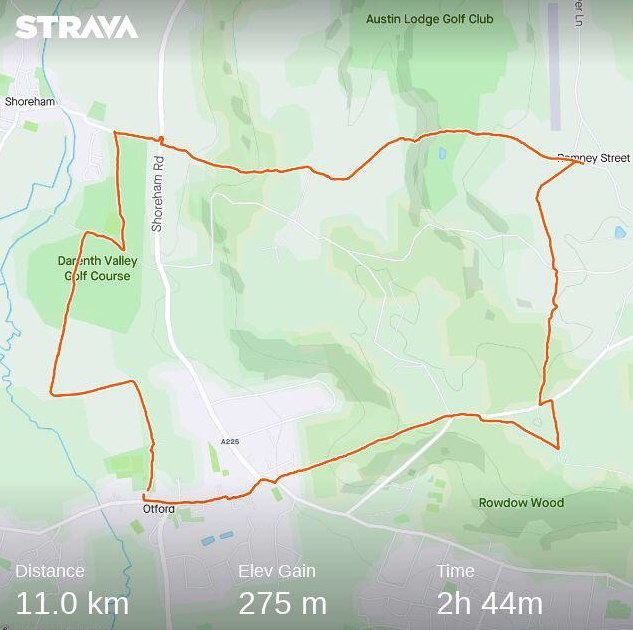 Otford is a pretty village in Kent, with a very attractive pond. This walk starts from the car park next to the cricket ground, where parking was very reasonable – just £1 for 3 hours! We followed a route similar to this one on AllTrails. The route also goes close to Shoreham village with its pubs and bridge over the River Darent. Unusually for Kent, there are several climbs on the walk, some through the woods that were steep enough for steps to have been provided. The highlight was a descent through a meadow full of wild flowers, with views of rolling hills and unspoilt countryside.
Filed under Rambling
Rambling: Markbeech to Hoath Corner, Kent
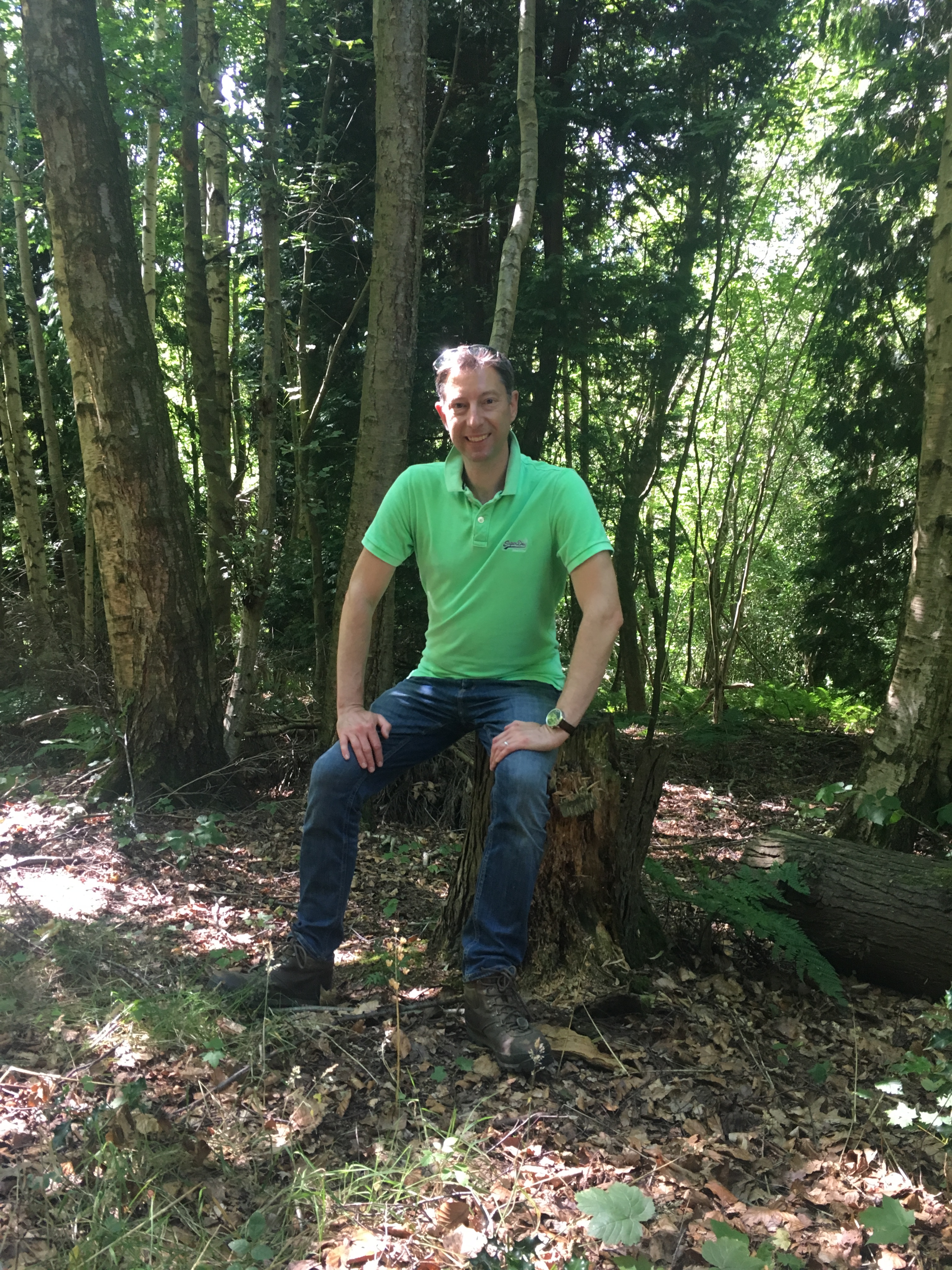
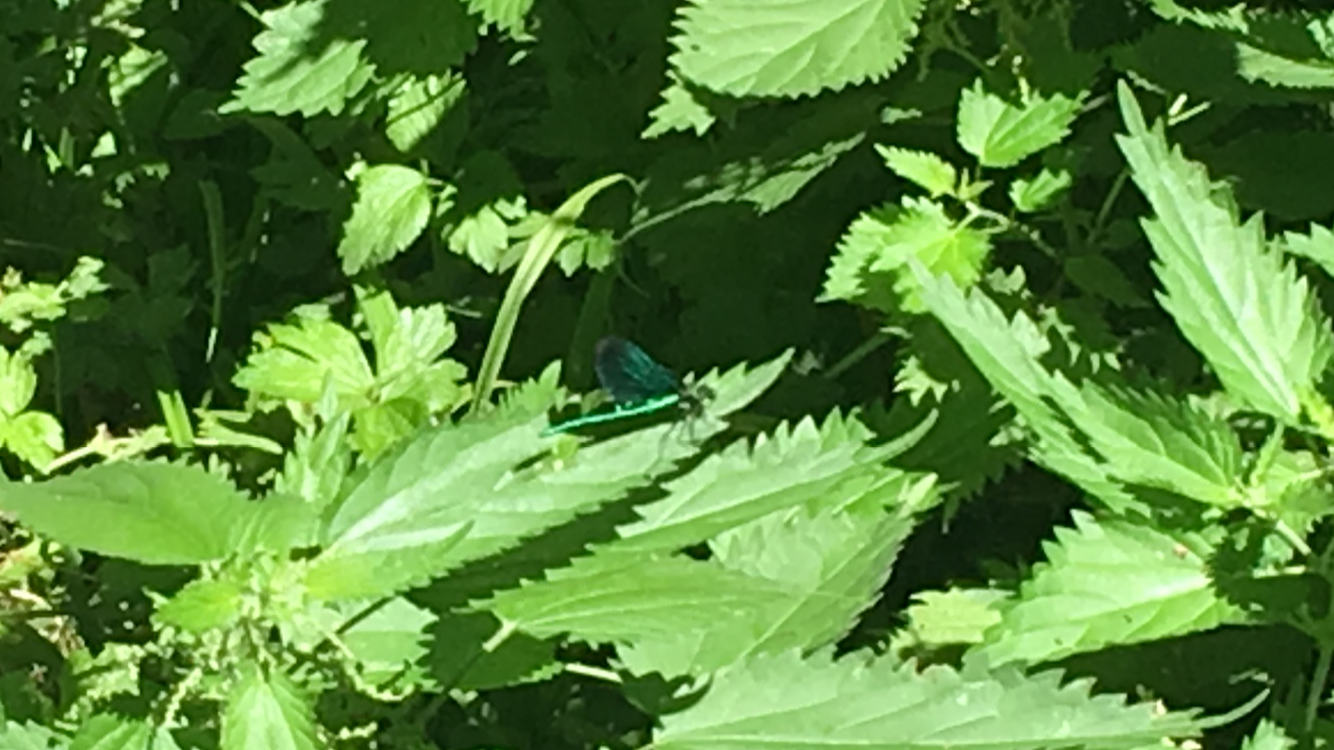
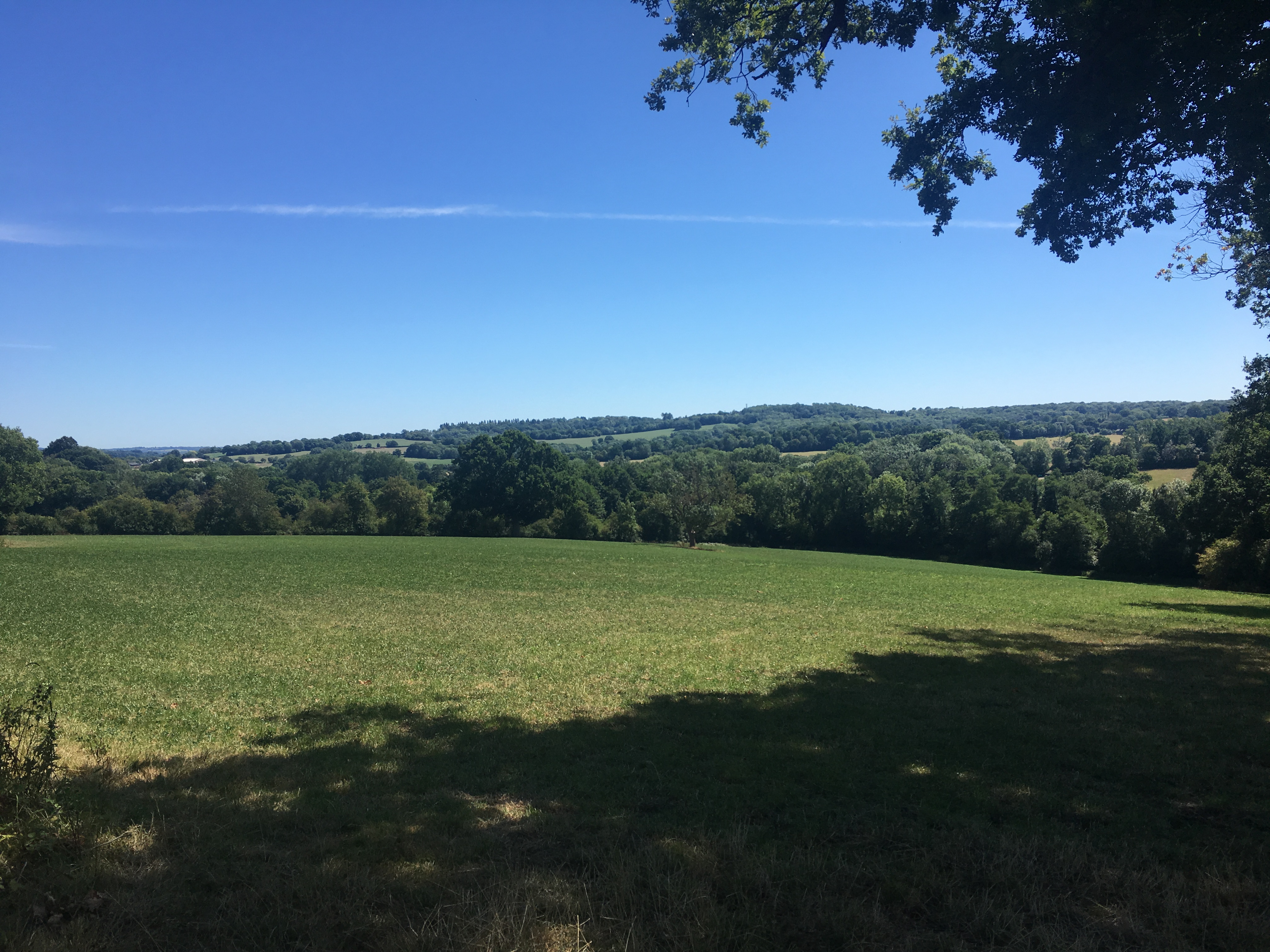
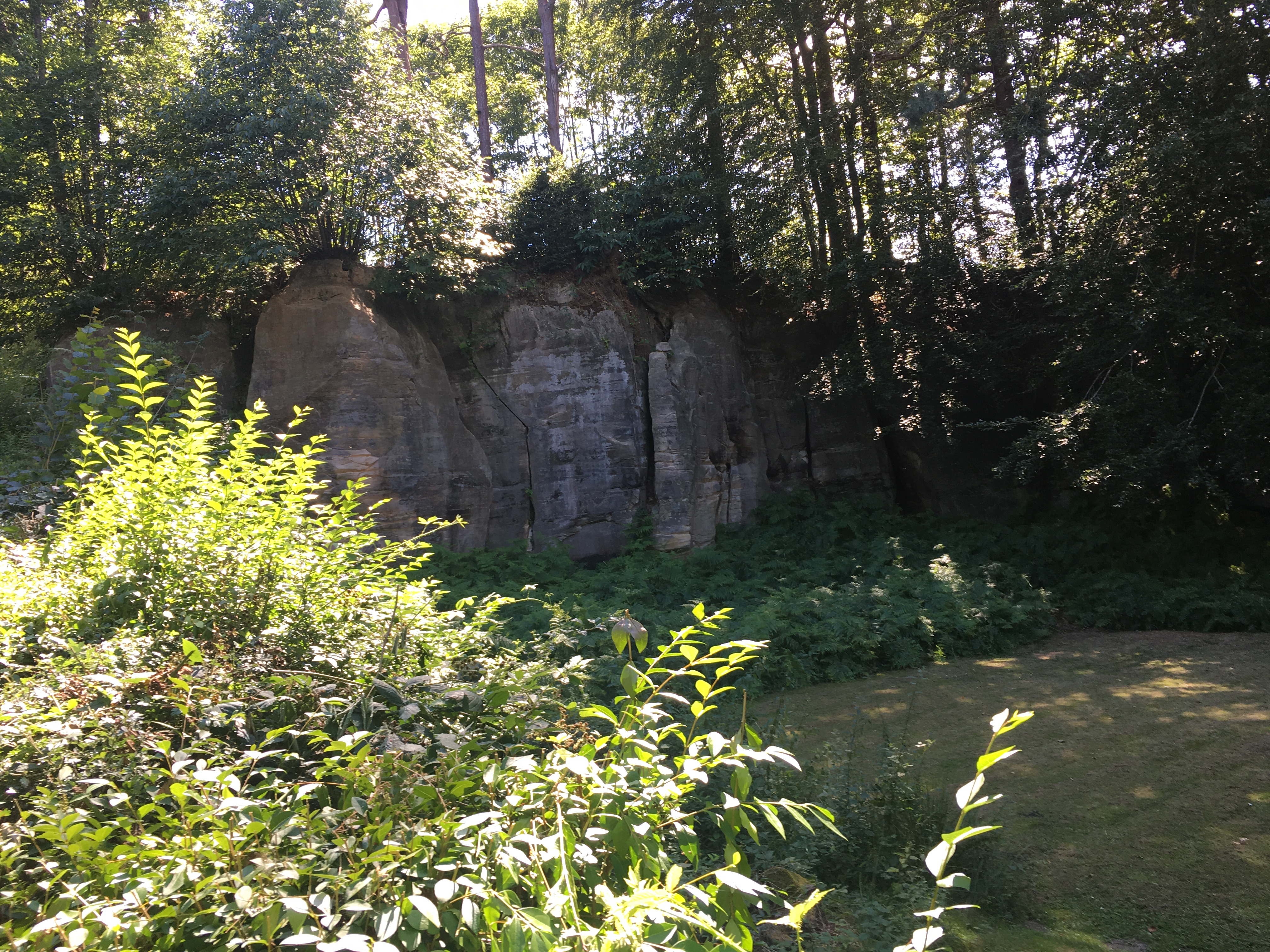
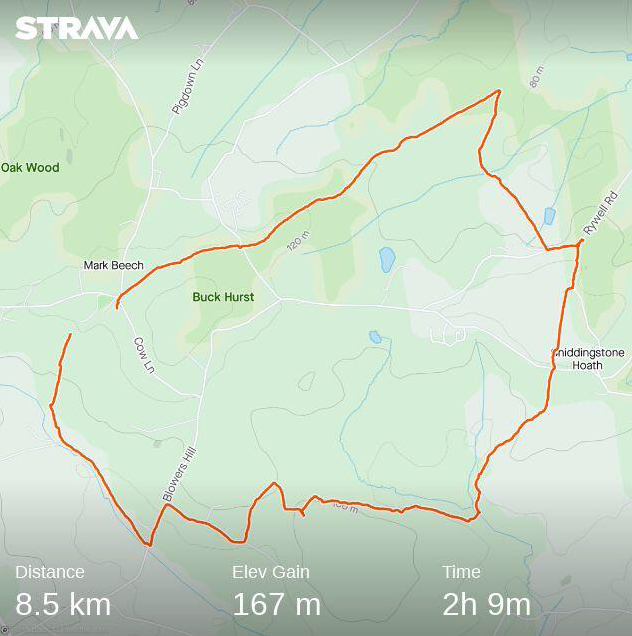 This was a lovely, quiet 9km walk, starting from The Kentish Horse inn in Markbeech, as published on AllTrails. Markbeech is notable for a tree planted in 1897 to commemorate 60 years of Queen Victoria’s reign, and a village hall built at the same time. The walk was a delightful mixture of meadows and woodland, with only short periods along roads in between. We particularly enjoyed the fine views across the Kent countryside and the huge rock at Hoath Corner, from which The Rock Inn takes its name. It must be noted that although we were following footpaths marked on the map, the trails themselves were not obvious on the ground and the gates/styles were often well-hidden at the sides of fields. Other walkers had commented that this walk was very muddy, so be warned if trying this walk other than during the summer.
Filed under Rambling
Book Review: In a House of Lies, Ian Rankin
 This is the first John Rebus thriller that I’ve read, although I’m aware that the series has been running for a long time. My father lent this rather nice hardback copy to me and he’s a Rebus fan. I suspect that in order to fully enjoy this book, the reader needs to have followed more of the back catalogue. It’s hard to appreciate why this dour, retired, ailing detective is still given access to the police station and allowed to interview a suspect, just on the contents of this book. On the contrary, he seems to have habitually broken the rules and been the subject of disciplinary hearings – yet he’s clearly won the respect of his former colleagues in the past.
This story follows two cases: the murder of a teenage girl, for which her boyfriend has been convicted; the murder of a young investigator over a decade ago, whose body has only now been discovered in a gully deep in the woods. Both cases involve Detective Inspector Siobhan Clarke, a protege of John Rebus – she continues to liase with her former boss and he digs into the murder of the teenager as a favour, mulling over the family involvement in the case. In particular, it’s odd that the convicted boyfriend does not dispute his guilt, but his uncle does – and the boyfriend will not explain any motive for the crime. The cold case of the investigator involves rival figures from the local organised crime scene, whilst the victim and suspects had involvement in budget movies made in the location.
Much of the plot seemed to me to be an excuse to reference the past glories of John Rebus, rather than being core to the telling the story behind this particular murder.

Filed under Book Review
IET Meetup: Digital Twins, the Next Phase of the AI Revolution

I was lucky to get a ticket to this well-attended EngTalk at the Institute of Engineering and Technology.
The idea of an Intelligent Digital Avatar conjures up many images from a complete virtual world that one can safely define, develop and play in to rogue robots running amok and destroying mankind. The reality is much less dramatic but no less far reaching and exciting.
This year’s Turing Talk will be delivered by Mark Girolami; an academic statistician and the Sir Kirby Laing Professorship of Civil Engineering at the University of Cambridge.
Mark will discuss Digital Twins and chart their history to present day technological capability, looking at some of the advances being made and the opportunities along with the open challenges faced to realise the potential of Digital Twins.
The historical part of this talk was very interesting, with examples from 100BC (the Antikythera, the Greek instrument used to predict astronomical positions and eclipses), Kelvin’s mechanical device for predicting tides (used up to 1940, including D-day landings) to weather balloons to model and predict atmospheric pressure.
Mark’s premise was that, whilst 2015 was about BigData, 2020 is about Digital twins – layering mathematical models over complex data streams in order to extract useful information. He stressed the importance of the provenance of information, error checking and acknowledging bias in such models. He was also keen to point out that models should not be used to blindly infer causation (an observed effect might be caused by some outside factor that was not understood or included in the model).
Filed under Meetup
Rambling: Wansfell and Troutbeck, Lake District
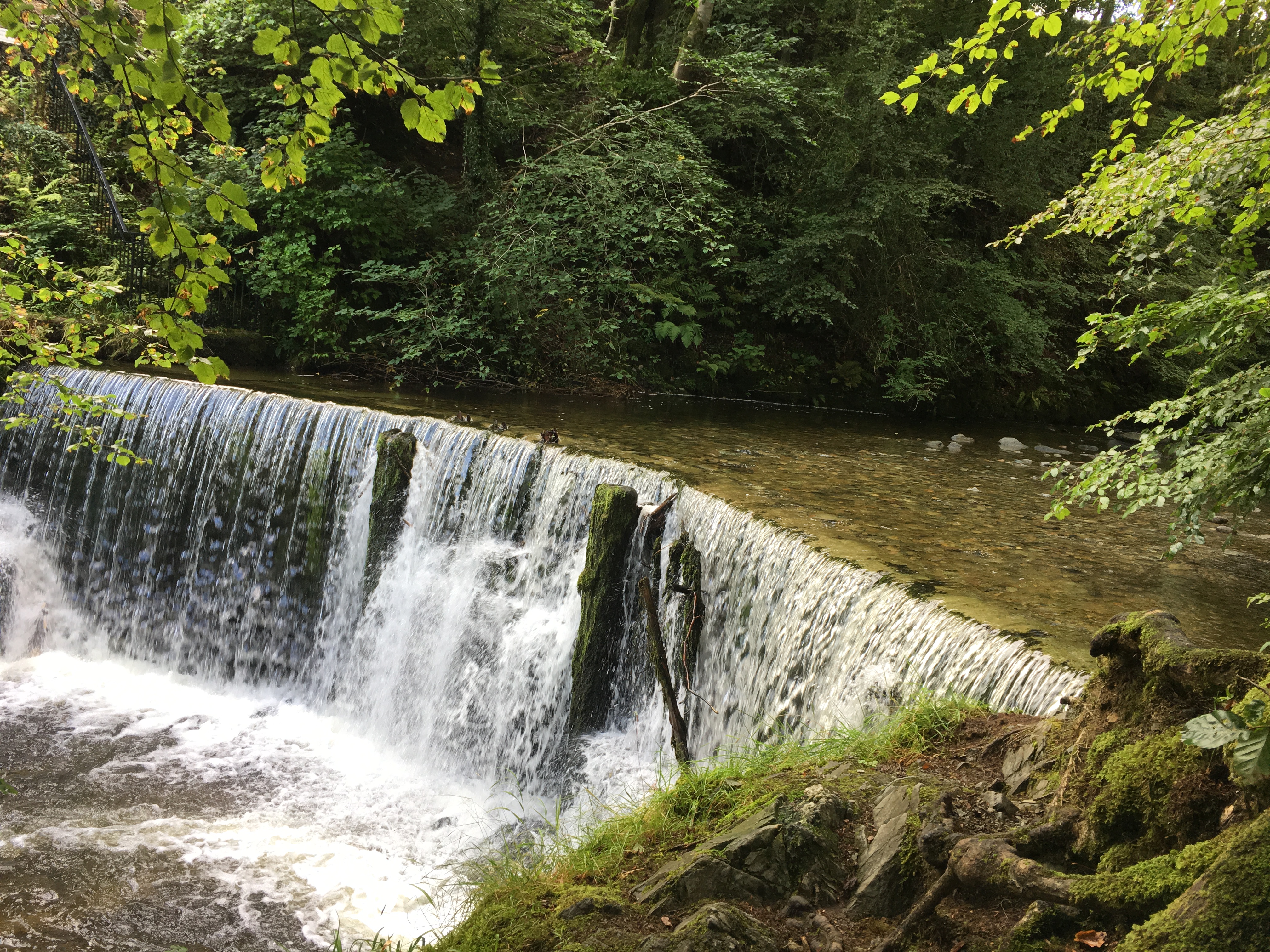
 This is a circular walk from Ambleside to the village of Troutbeck via Wansfell. It’s the shortest of the ‘red’ walks in the excellent Pathfinder Guide, so made a good choice for a wet and windy day – fortunately, after an early tea at the Old Post Office tea rooms in Troutbeck, the weather was much improved. Highlights include a succession of waterfalls on leaving Ambleside and excellent views of Windermere on the return.


Filed under Rambling
Rambing: Walla Crag, Lake District
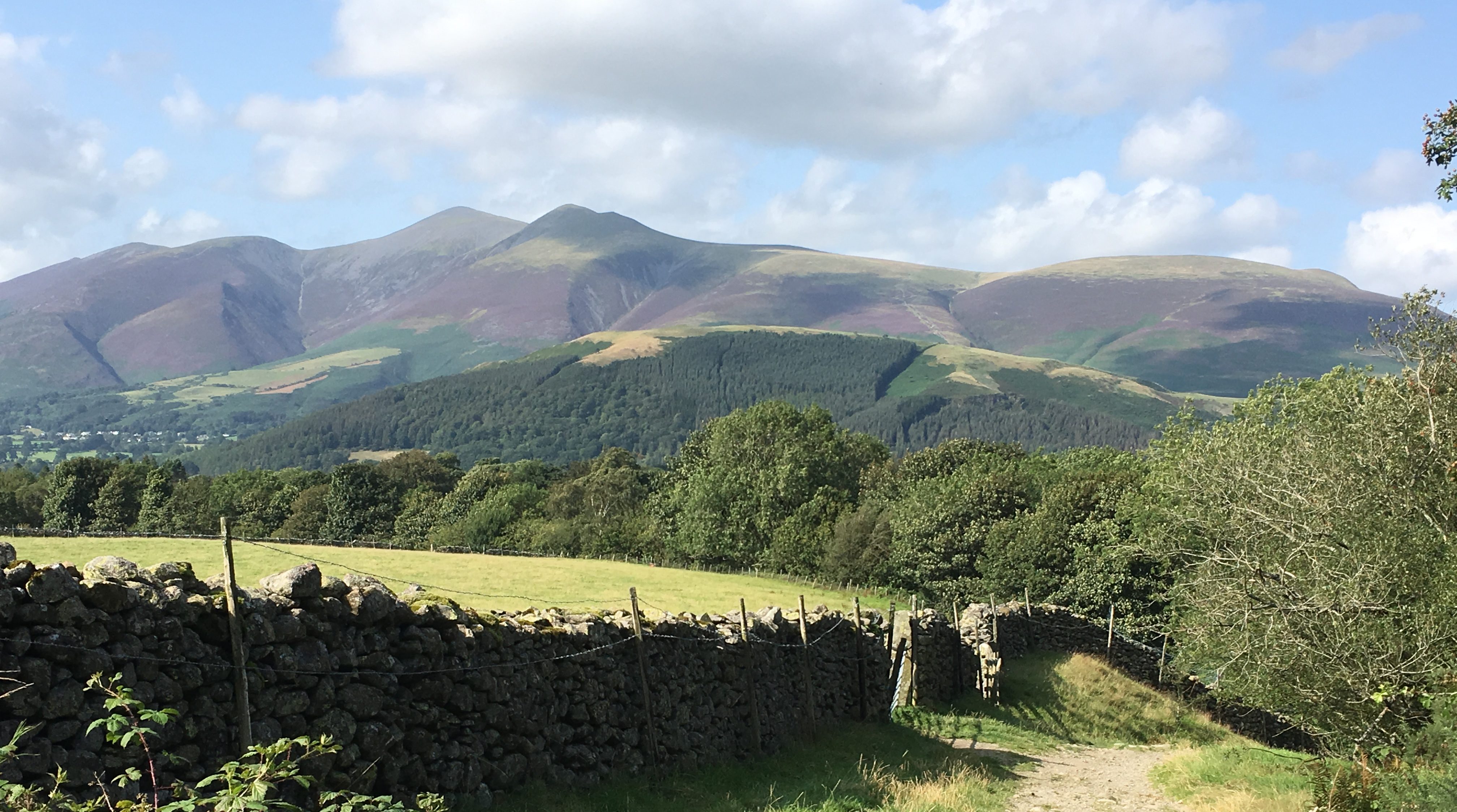
 My family and I went for this lovely walk earlier this year. As well as some amazing views, we stopped at Annie’s Pantry at the half-way point for an excellent lunch sitting by the river.
Starting from National Trust car parks at Great Wood just outside Keswick, this walk climbs steadily through the wood and offers views over Derwent Water. It’s quite a steep walk down the river valley to Annie’s Pantry, but that’s the only refreshment stop on this walk and was well worth the effort. The highlight of the walk is the descent from Walla Crag to Cat Gill – the book has a nice photo of this, as well as lots of pictures of dogs!


Filed under Rambling
Book Review: Dark Sacred Night, Michael Connelly
 Harry Bosch continues to investigate the murder of his friend Elizabeth’s daughter, Daisy Clayton. Whilst he’s a volunteer at the San Fernando Police Department, he bends the rules by turning up at the LAPD to go through some old files. There, he meets Renee Ballard for the first time – she subsequently works out which cold case he’s pursuing, and they team up.
Meanwhile, for the ‘day job’, Bosch investigates a gang-land killing. A witness reveals some details of the shooting many years ago and Bosch heads up a forensic examination at a garage which might still harbour clues. This doesn’t go un-noticed by the gang and Bosch finds himself in considerable danger.
With Ballard and Bosch teaming up, the author has plenty of scope to highlight the similarities and differences between them. Both like to work alone and push on with a case even to the point of danger – Ballard was kidnapped in The Late Show, Bosch abducted in this thriller. Yet Bosch needs someone to keep him honest – he strays dangerously close to being a vigilante in this story and Ballard admonishes him for that.
Filed under Book Review
Book Review: The Late Show, Michael Connelly
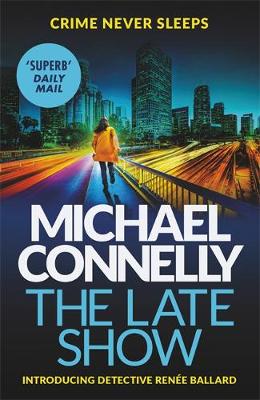 This detective thriller by Michael Connelly introduces Renee Ballard as his latest character. Ballard has been relegated to the night shift at the LAPD, following friction with her former boss. Her passions are solving crime and surfing/paddle-boarding on the sea – she has an unconventional lifestyle, hanging out at the beach with her dog during the day (often sleeping in a tent) then working at night.
This book follows quite a complex plot across several cases. The primary case is the assault of Ramona Ramone, a sex worker brutally attacked and left with unusual bruising, as if from lettered knuckledusters. Ballard is then sent to the scene of a mass shooting at Dancers Club – this opens a new plot line and Ballard believes that a dirty cop shot the victims to cover his involvement in organised crime. Ballard follows clues to a likely perpetrator of the assault on Ramone at an “upside-down” house – whilst investigating, we find out that Ballard is prepared to break a few rules here and there, much like Connelly’s established detective, Harry Bosch. Bosch is mentioned in this book, but does not appear.
The book covers several different cases and at times it was difficult to keep track. Worth reading, though, as the first in what’s likely to be a number of books featuring Renee Ballard.
Filed under Book Review
Modern C++ in Embedded Systems
 I was thinking about C++ for embedded environments recently and wondered how much of today’s Modern C++ was recommended for use. I found an excellent article by Dominic Herity on the subject:
Even better, Dominic linked to some presentation materials Scott has published electronically on the subject. I’ve long been a fan of Scott’s writing and wasn’t aware of this electronic book, so I’m reading that next.
Filed under C++, Programming, Tech Book
 musingstudio