
I was lucky to get a ticket to this well-attended EngTalk at the Institute of Engineering and Technology.
The idea of an Intelligent Digital Avatar conjures up many images from a complete virtual world that one can safely define, develop and play in to rogue robots running amok and destroying mankind. The reality is much less dramatic but no less far reaching and exciting.
This year’s Turing Talk will be delivered by Mark Girolami; an academic statistician and the Sir Kirby Laing Professorship of Civil Engineering at the University of Cambridge.
Mark will discuss Digital Twins and chart their history to present day technological capability, looking at some of the advances being made and the opportunities along with the open challenges faced to realise the potential of Digital Twins.
The historical part of this talk was very interesting, with examples from 100BC (the Antikythera, the Greek instrument used to predict astronomical positions and eclipses), Kelvin’s mechanical device for predicting tides (used up to 1940, including D-day landings) to weather balloons to model and predict atmospheric pressure.
Mark’s premise was that, whilst 2015 was about BigData, 2020 is about Digital twins – layering mathematical models over complex data streams in order to extract useful information. He stressed the importance of the provenance of information, error checking and acknowledging bias in such models. He was also keen to point out that models should not be used to blindly infer causation (an observed effect might be caused by some outside factor that was not understood or included in the model).
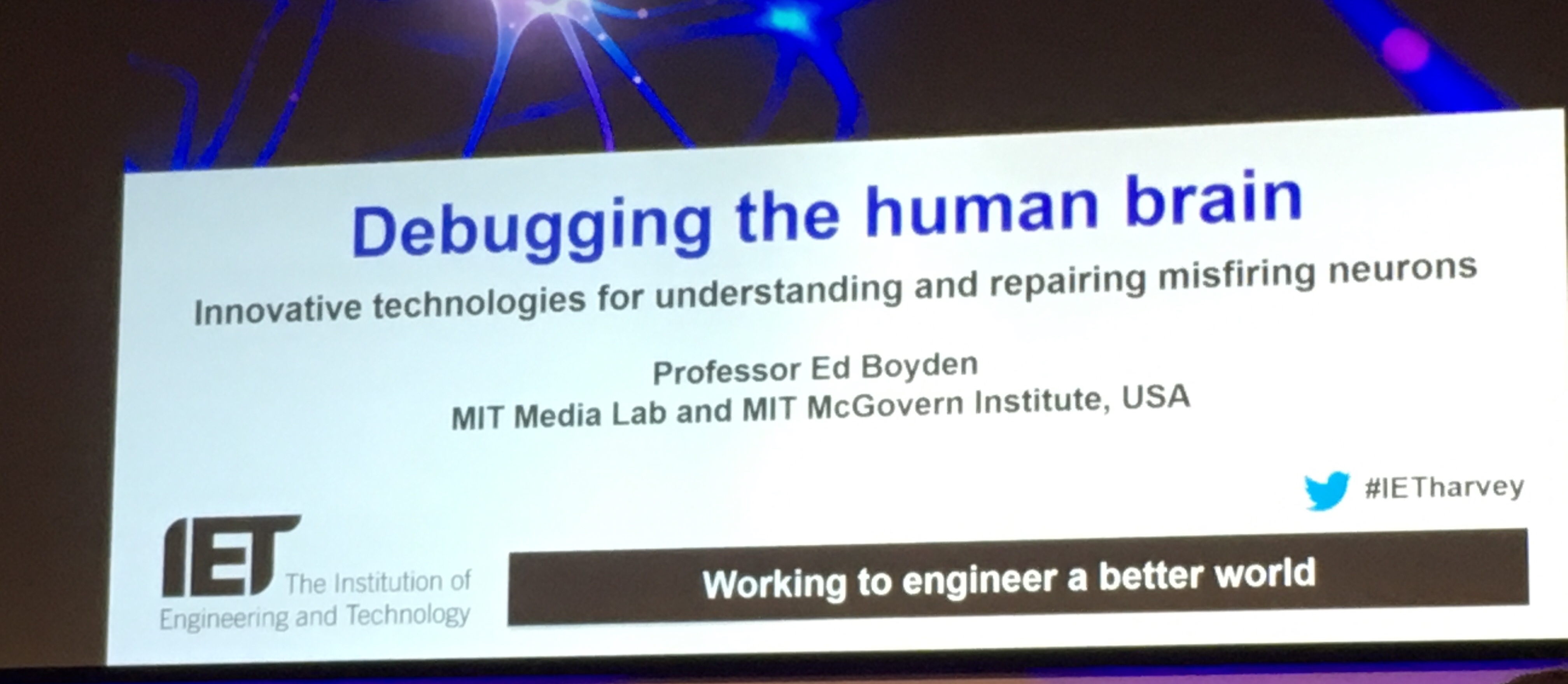

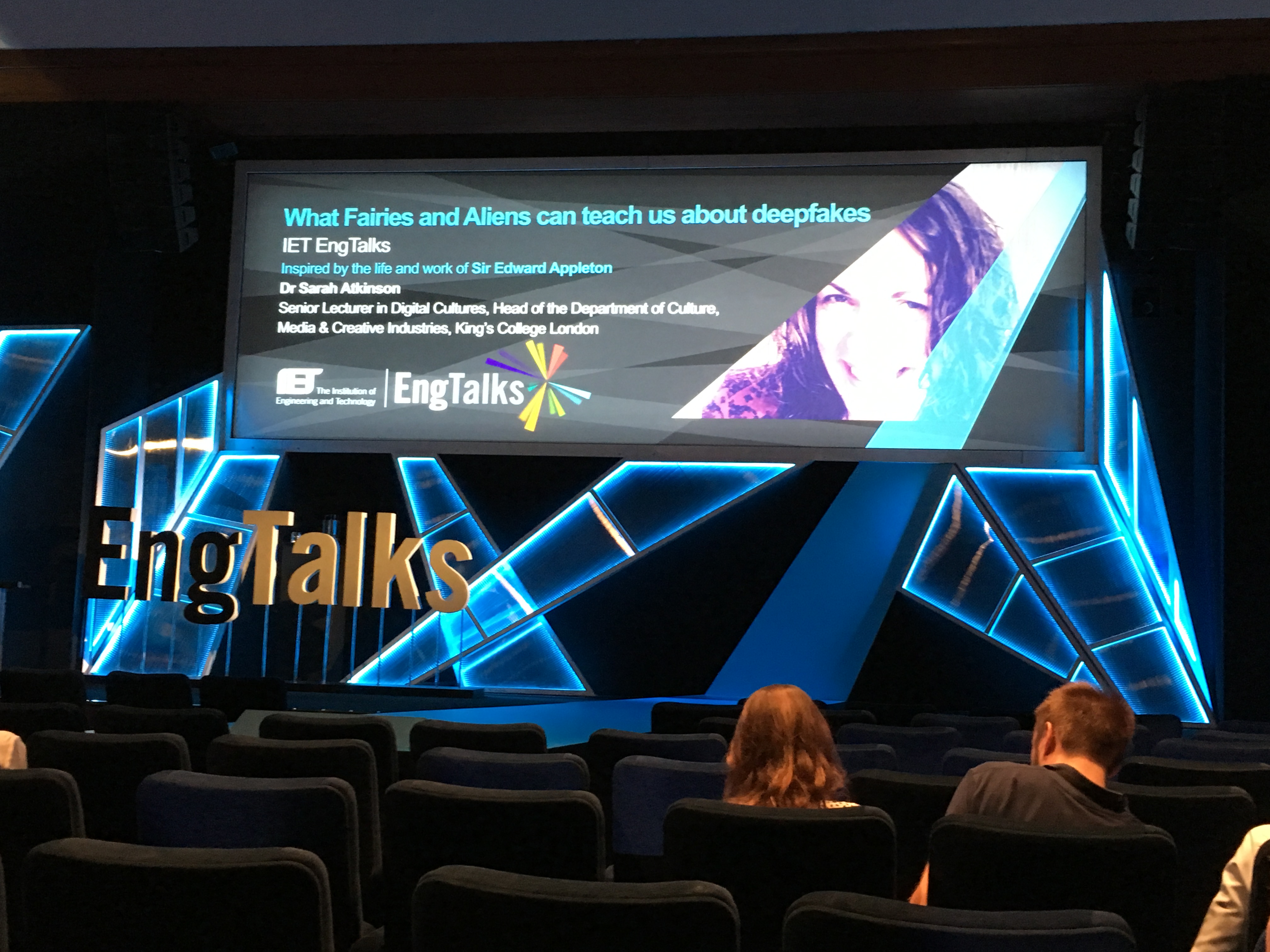
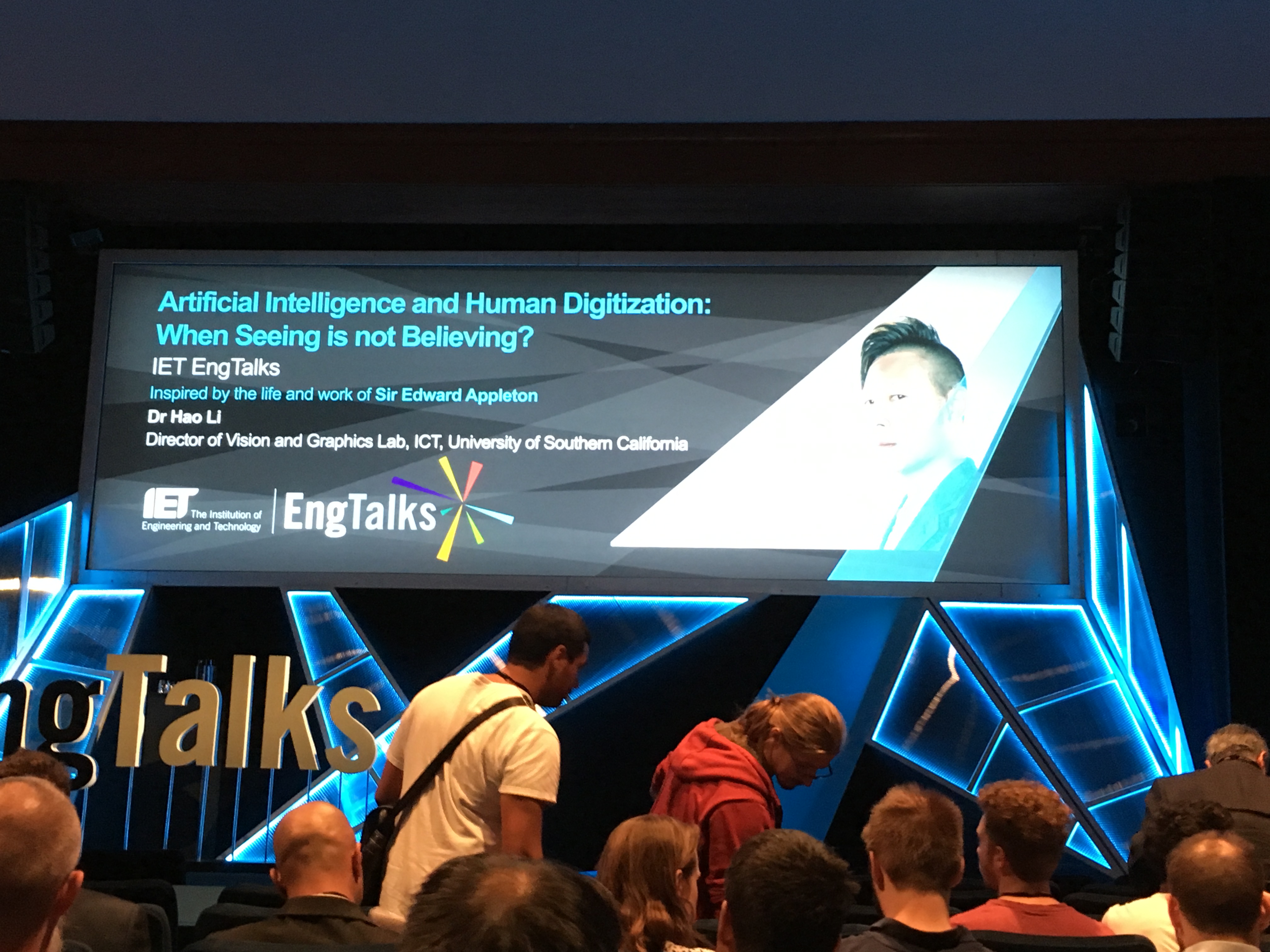
 I was lucky to attend the 2018 Mountbatten lecture at Savoy Place, London. This year’s speakers were Dr Julia Sutcliffe of BAE Systems and Air Marshal Julian Young of the Royal Air Force.
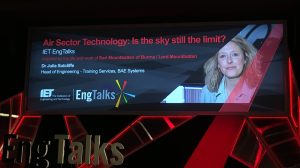 Dr Sutcliffe’s theme was “Air Sector Technology – is the sky still the limit?” and spoke of breakthrough technologies such as cloud computing and artificial intelligence as the 4th Industrial Revolution (after Steam, Electricity and Electronics/Computing). Her interest in military air systems is the generation of huge amounts of information for each single flight – not only from machine performance but also from crew health metrics. It would be a game changer to be able to receive the telemetry in real time so that appropriate action could be anticipated and actioned as soon as the plane returns to base. Other topics were unmanned systems for dirty or dangerous tasks and “
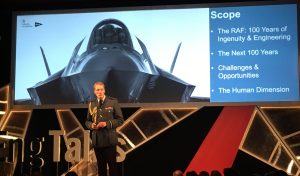 Air Marshal Young’s theme was “RAF 2118 – Engineering the next 100 years”. His point was that the Royal Air Force has been entwined with technology throughout its whole life, with innovation often the deciding factor in conflicts. Innovation has produced accuracy improvements in weapons delivery as well as amazing reliability for engines (such as the EJ200 in Typhoons). Novel technologies can also deliver increased operational performance, reduce production costs and reduce through-life savings – leaving more money to buy shiny new aeroplanes.
 Lisa de Bonis and Gary Jobe work for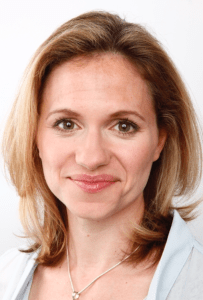
 This evening’s lecture at the IET was given by Chris Aylett of the Motorsport Industry Association. Chris gave a fast-paced overview of the work of motorsport engineers within their own industry and the increasing crossover into other sectors. He is a fan of horizontal innovation, the application of under-used skills and capacity within a firm to satisfy demand from clients in other industries.
  This is the first meeting I’ve been to at the IET since the refurbishment of the premises at Savoy Place, London.
 musingstudio