
 Having met up with family during our Lake District holiday, we went for a low-level walk around Buttermere. Although the drive from Keswick to Buttermere village over the Honister Pass can be hair-raising, it was worth it to enjoy an atmospheric walk around this popular lake.
 The route around Buttermere is pretty clear, and is half of a walk outlined in the Pathfinder Guide. There is a more challenging walk starting from here, to include Red Pike, High Stile and Haystacks – terrific views from the tops. There are refreshments in several pubs in the village, we chose the Sykes Farm cafe, which was excellent.
The walk was booked at 4.5 miles and my phone recorded just 9 floors climbed.
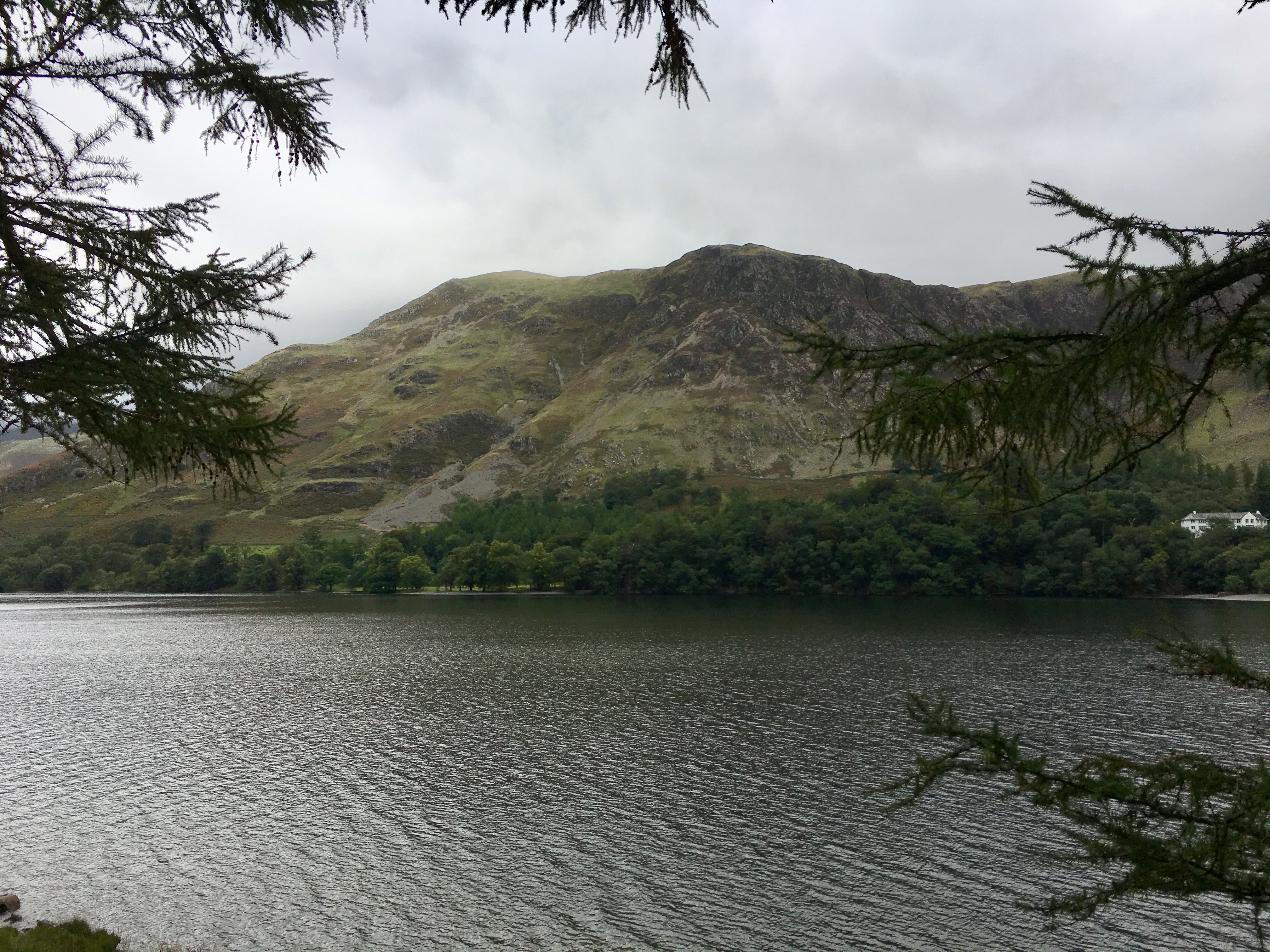
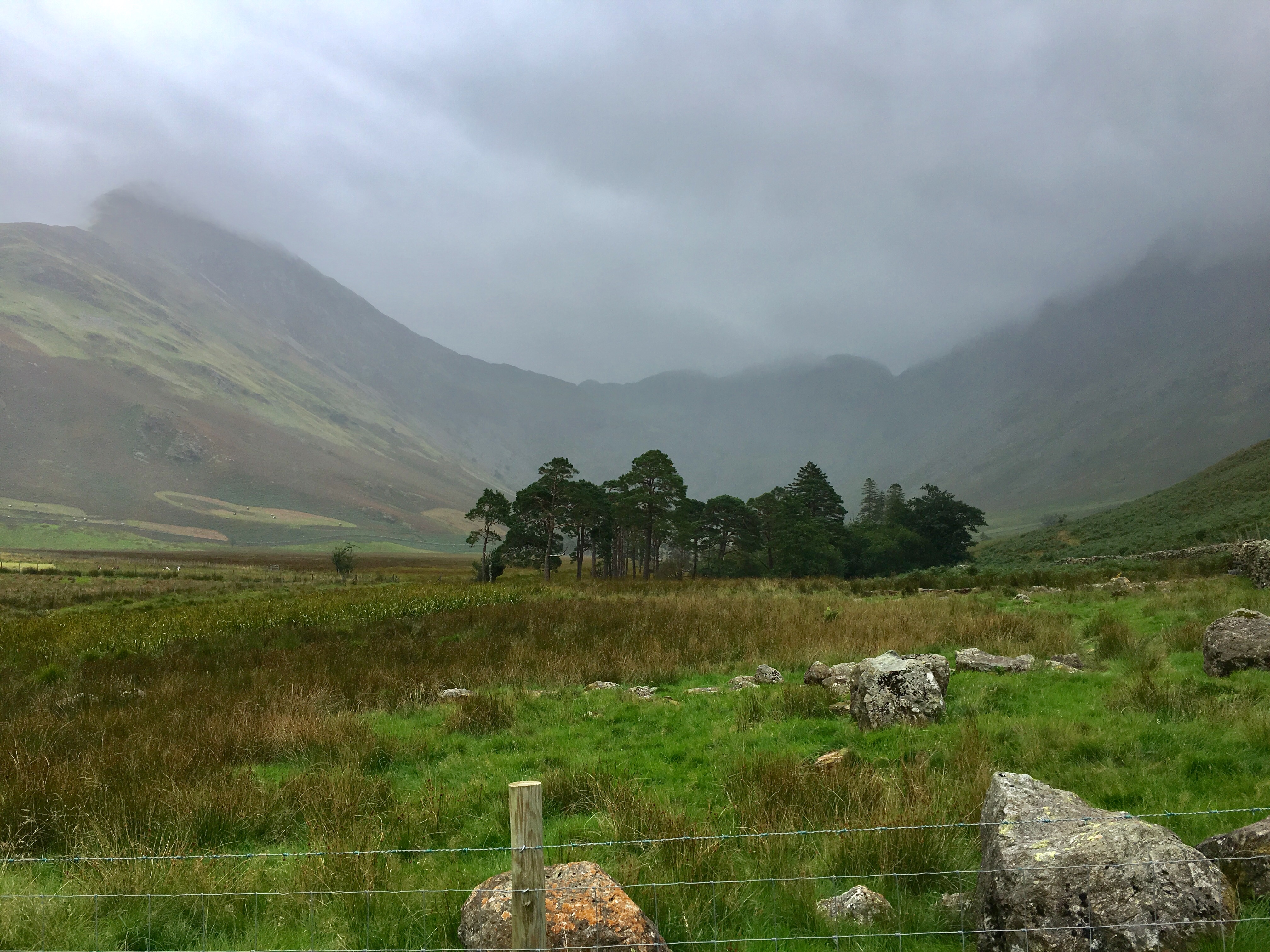
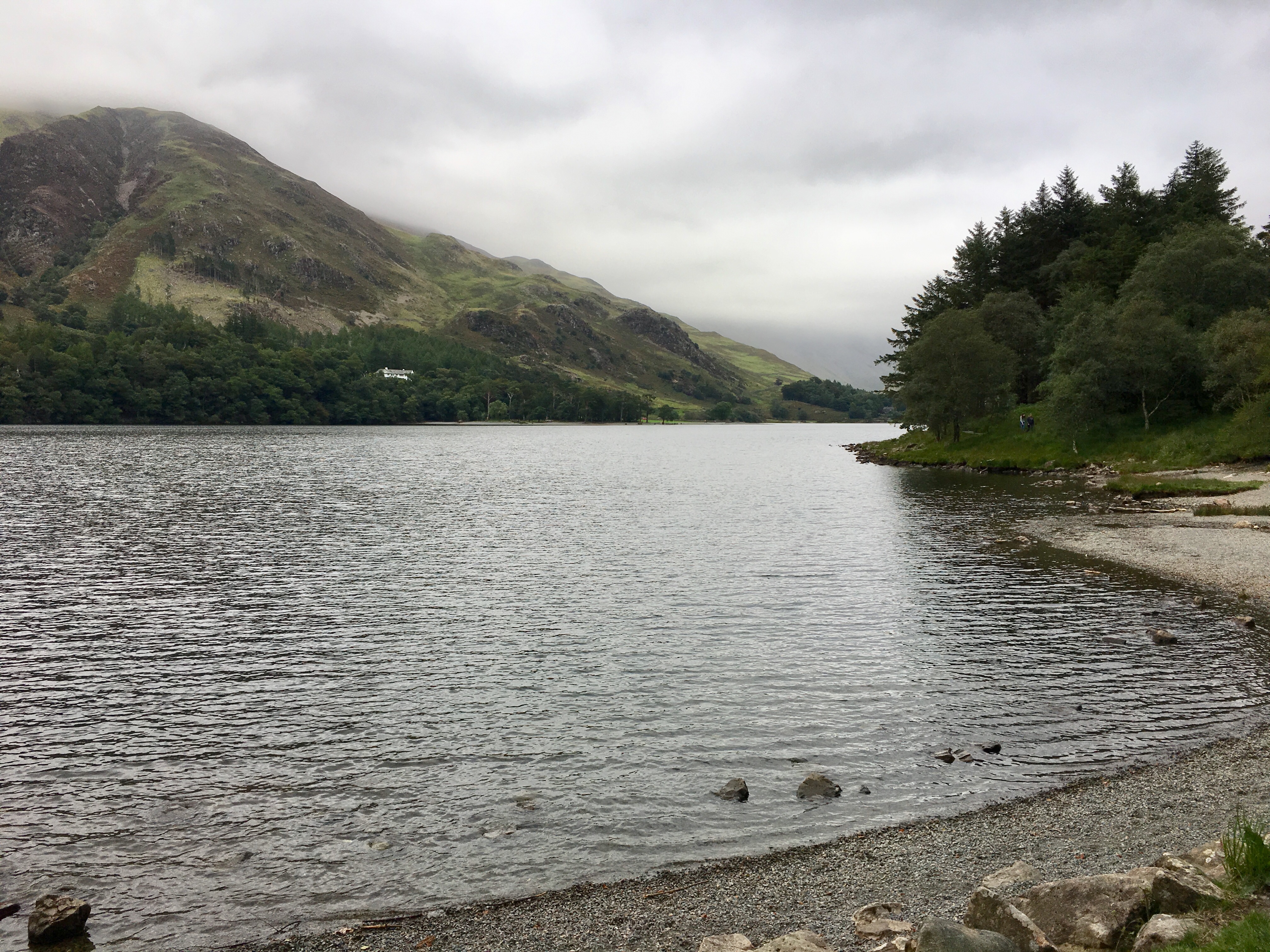

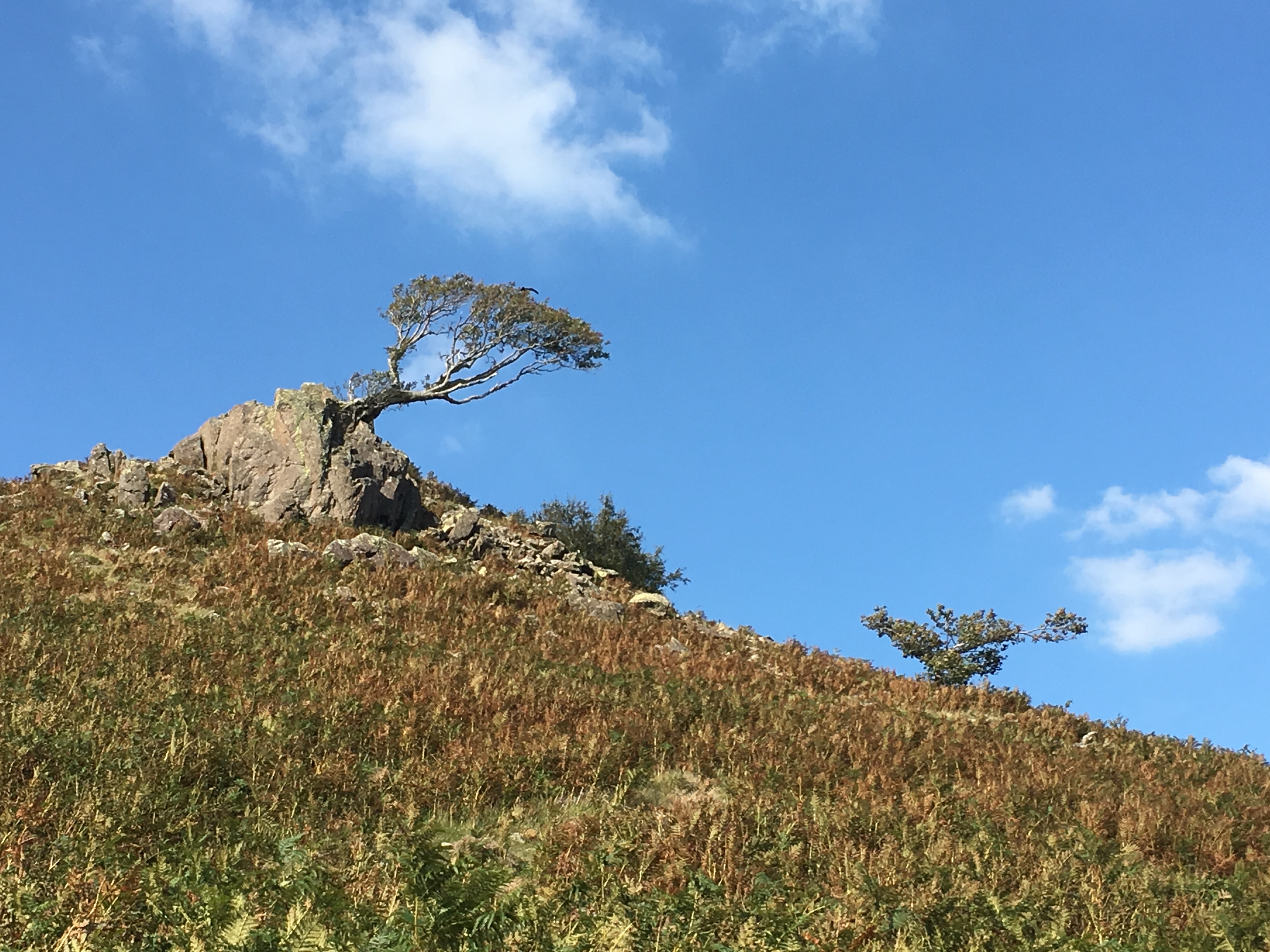
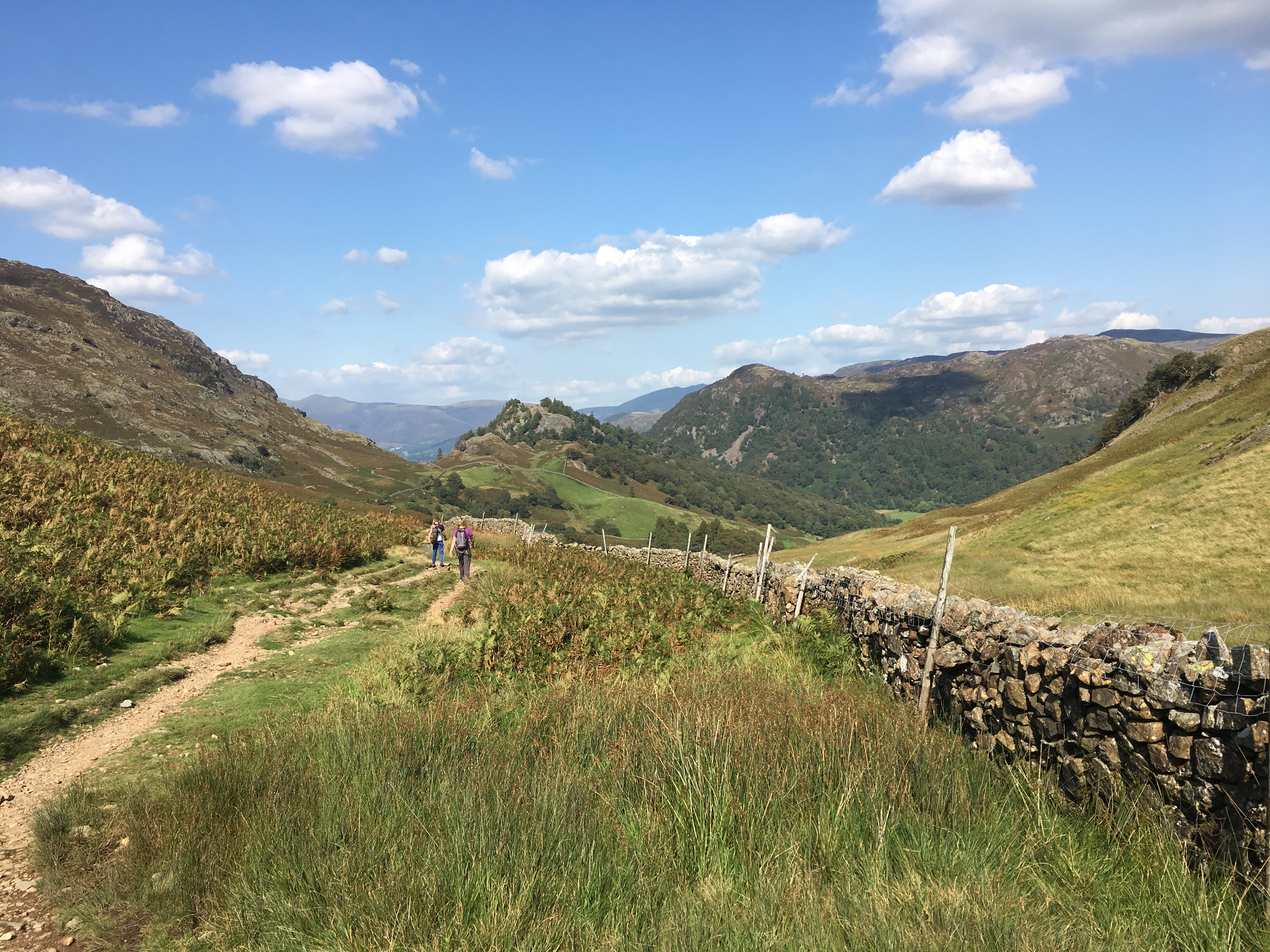
 This is a beautiful, low-level walk from the Pathfinder Guide. Although it doesn’t circle a lake or climb any of the famous fells, the route follows the River Derwent and provides spectacular views down the valley. We walked the route in reverse, from Grange to Seatoller. Grange benefits from a lovely cafe as well as tea rooms – sadly, the cafe at Seatoller was shut when we arrived! The route was quite easy to follow, except for the start of the footpath back from Seatoller – after following the road out of the village and up the hill, the directions are to take the footpath to climb steeply up the side of the valley. The footpath and gate were obscured by bracken, so only visible when almost on top of them!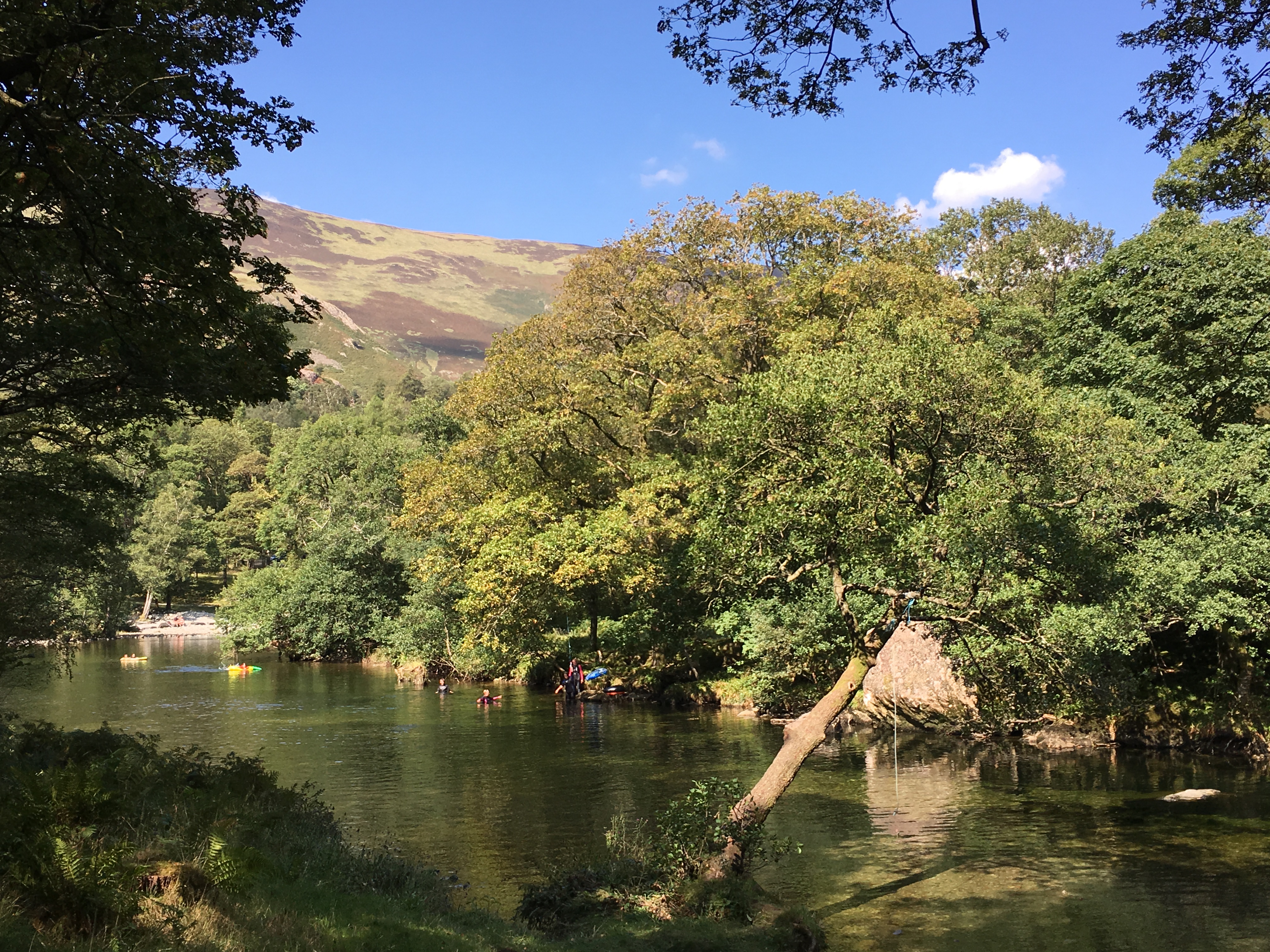
 It’s always a pleasure to find a Nelson DeMille in the charity bookshop, and this one was excellent. The main characters are Paul Brenner and Cynthia Sunhill, who are military investigators (the former for homicide, the latter for rape). Their back-story includes an affair in Zurich when they last met and the love/hate relationship resulting from that continues throughout the book.
 This is a Will Jaeger thriller, in which he battles to prevent the release of a deadly toxin that threatens global calamity, as well as continuing a long search to find his kidnapped wife and son. I haven’t read the first book in this series (Ghost Flight), but the story held together pretty well all the same.
 This is another excellent thriller in Connelly’s Harry Bosch series – it also features his half-brother Micky Haller.
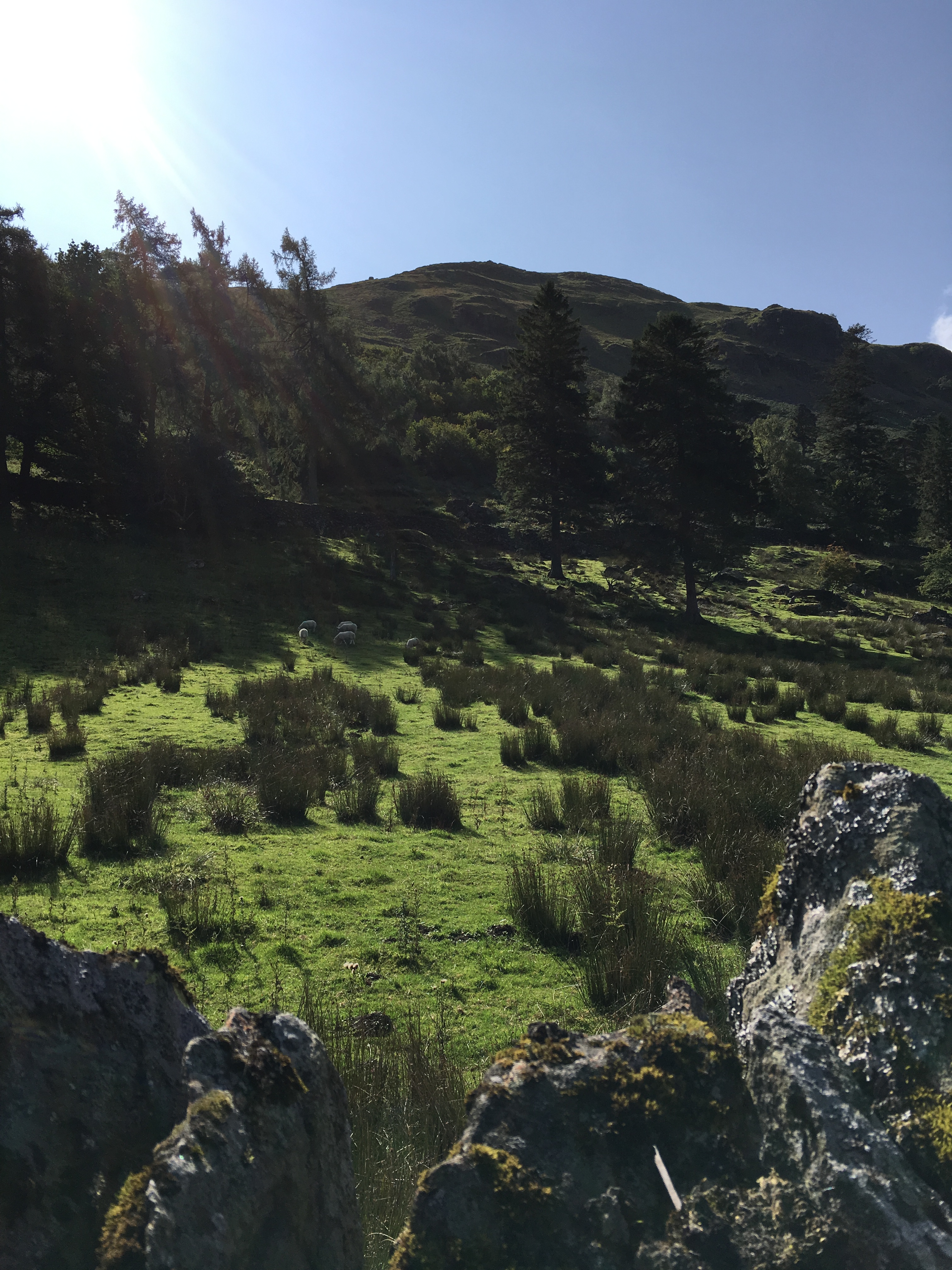
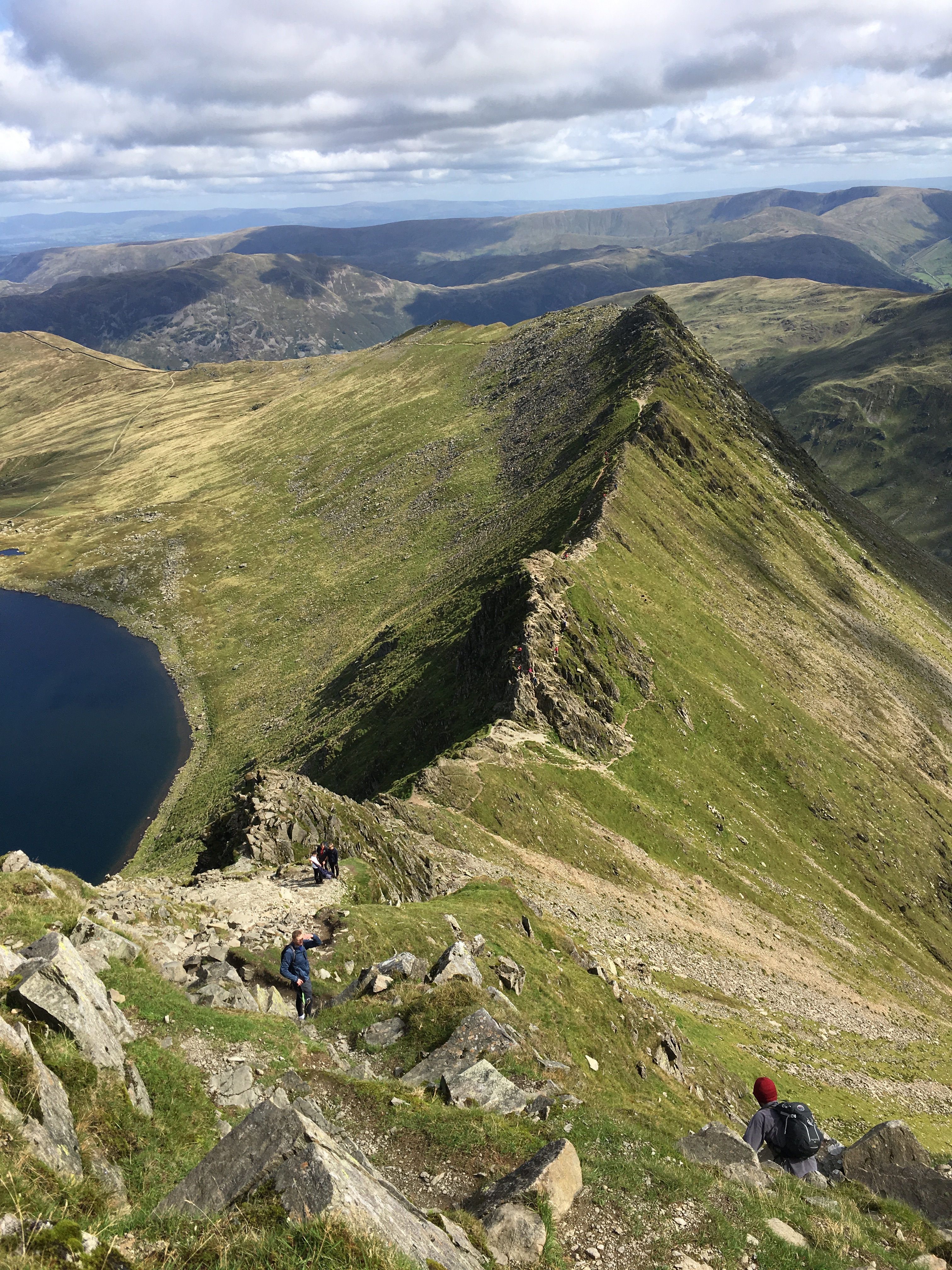
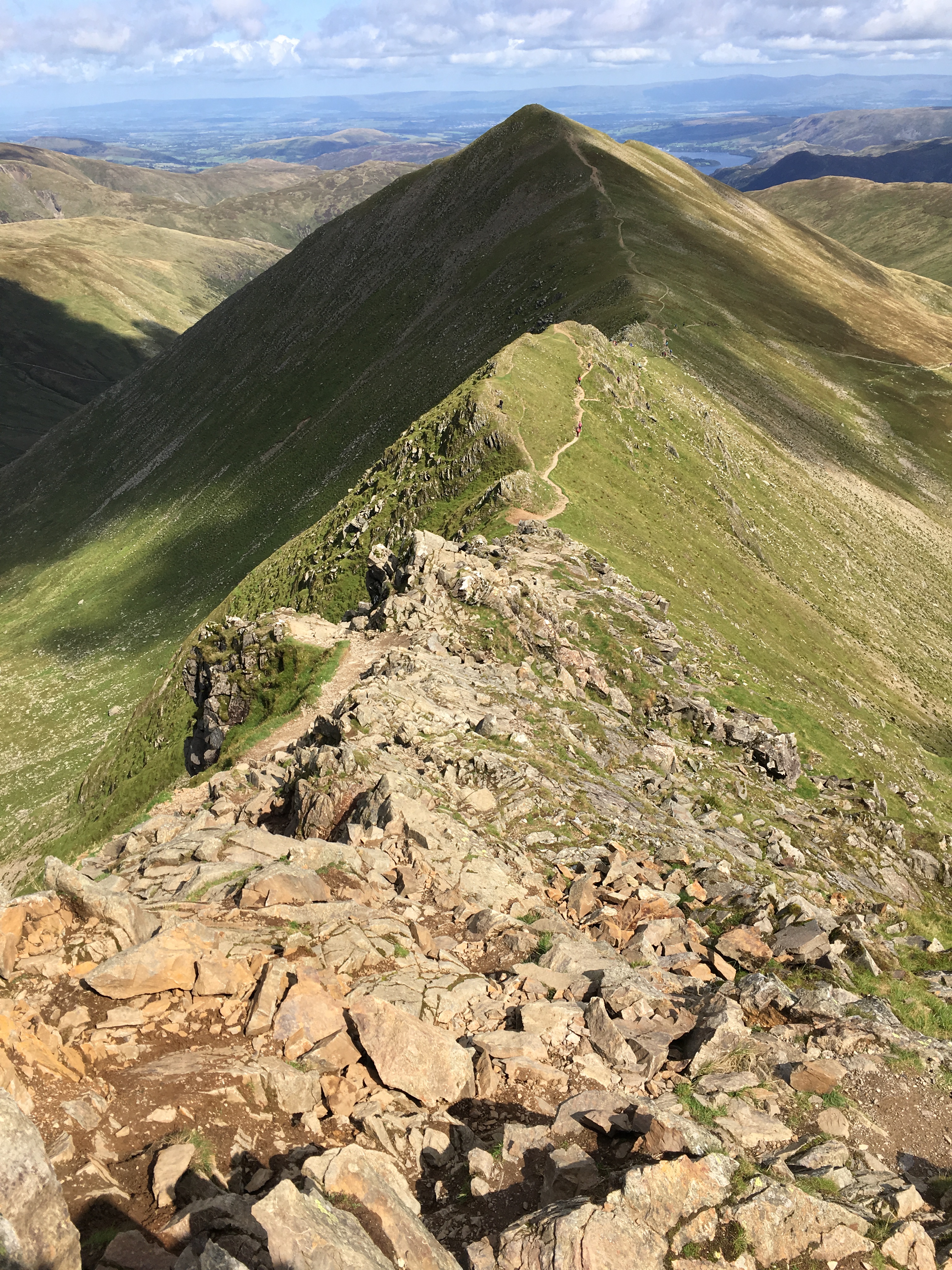
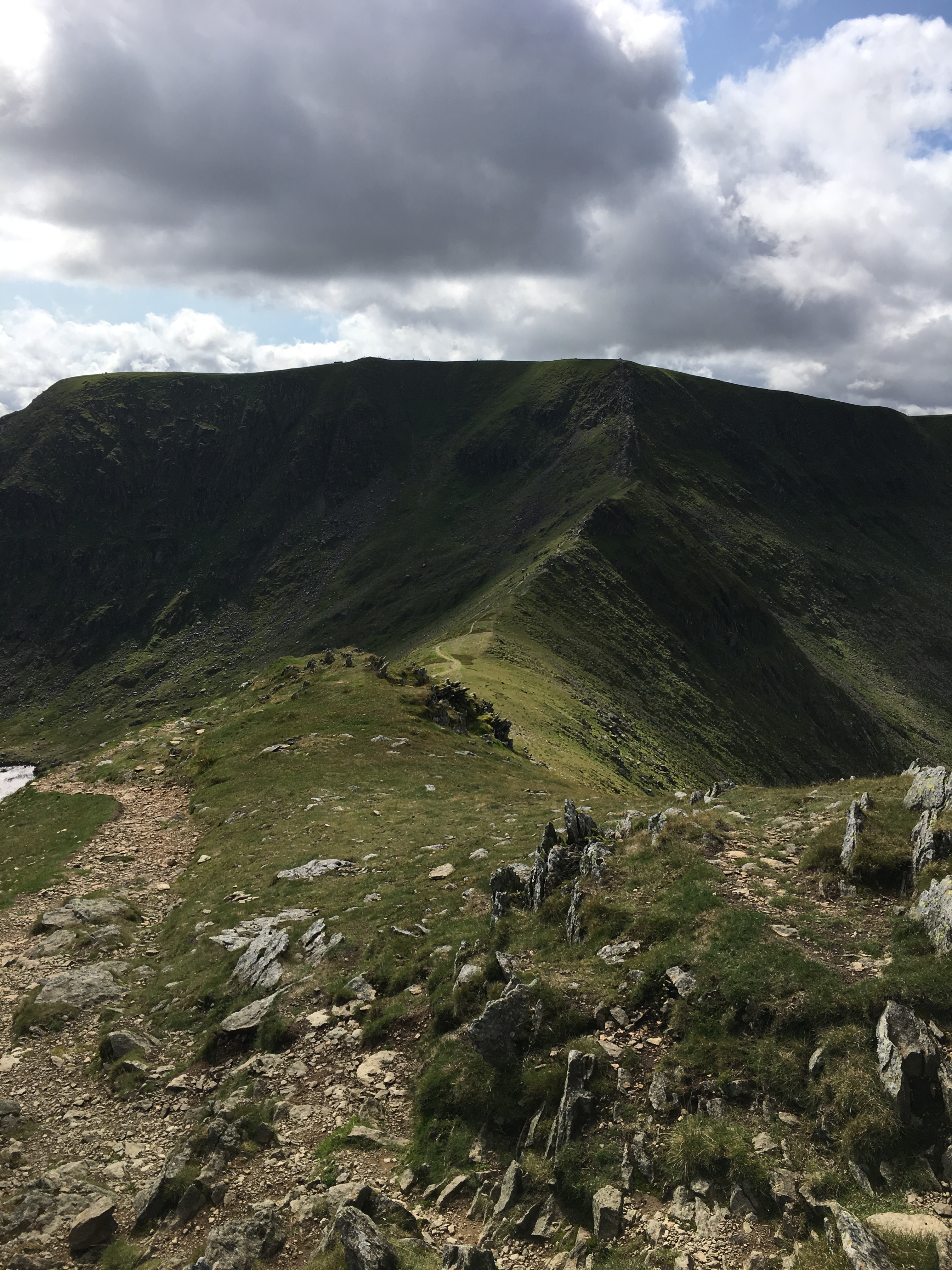
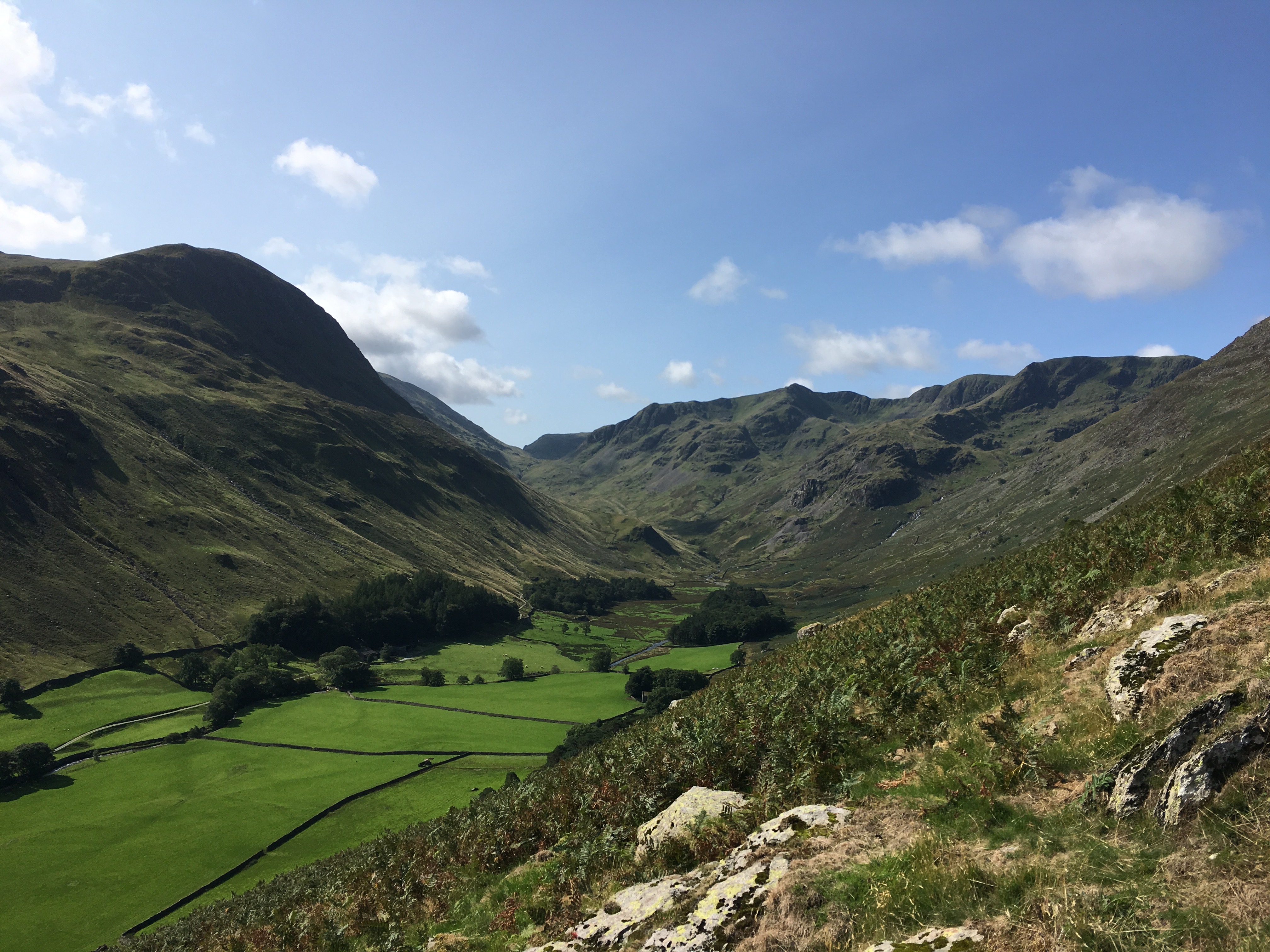
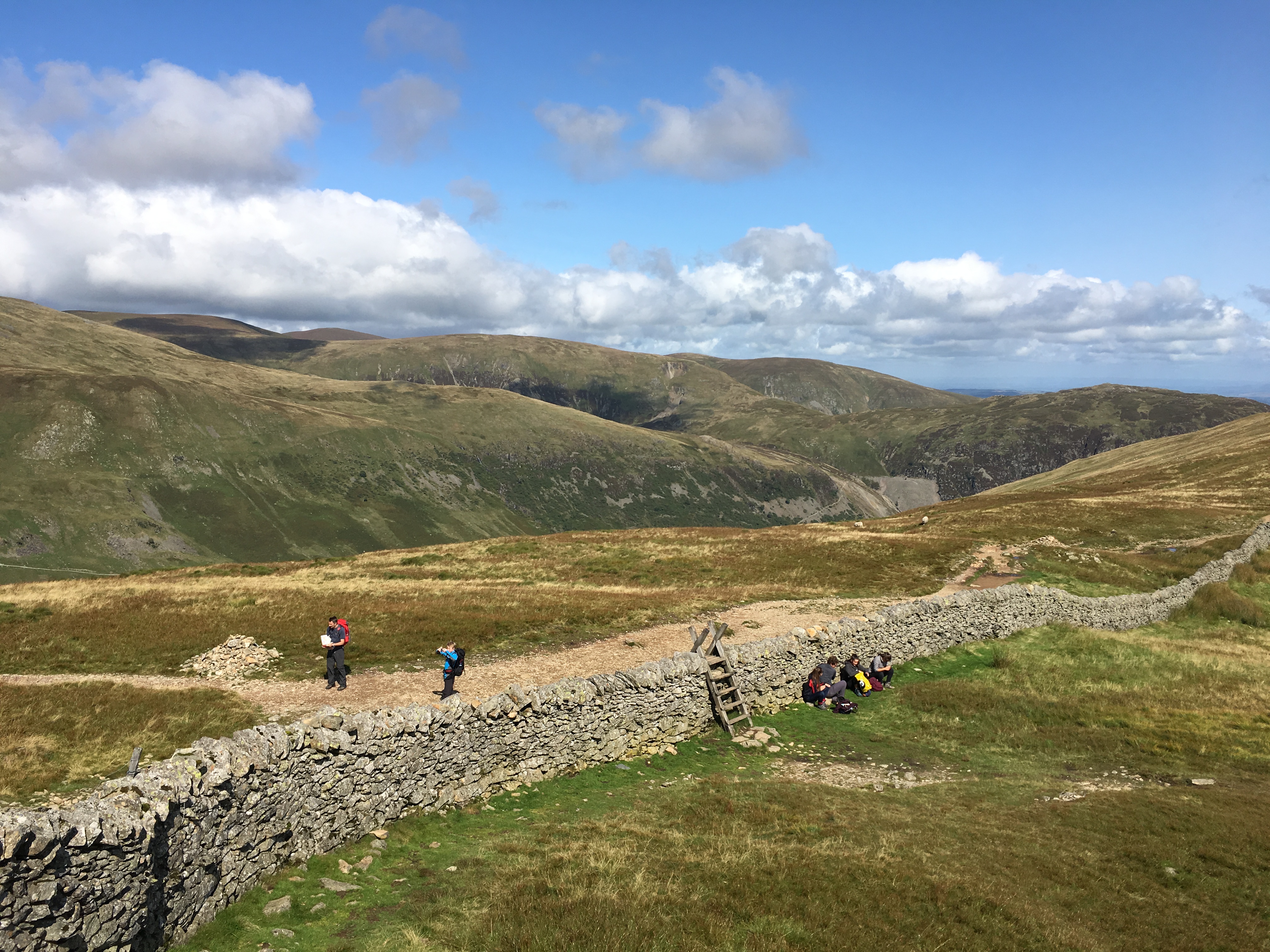
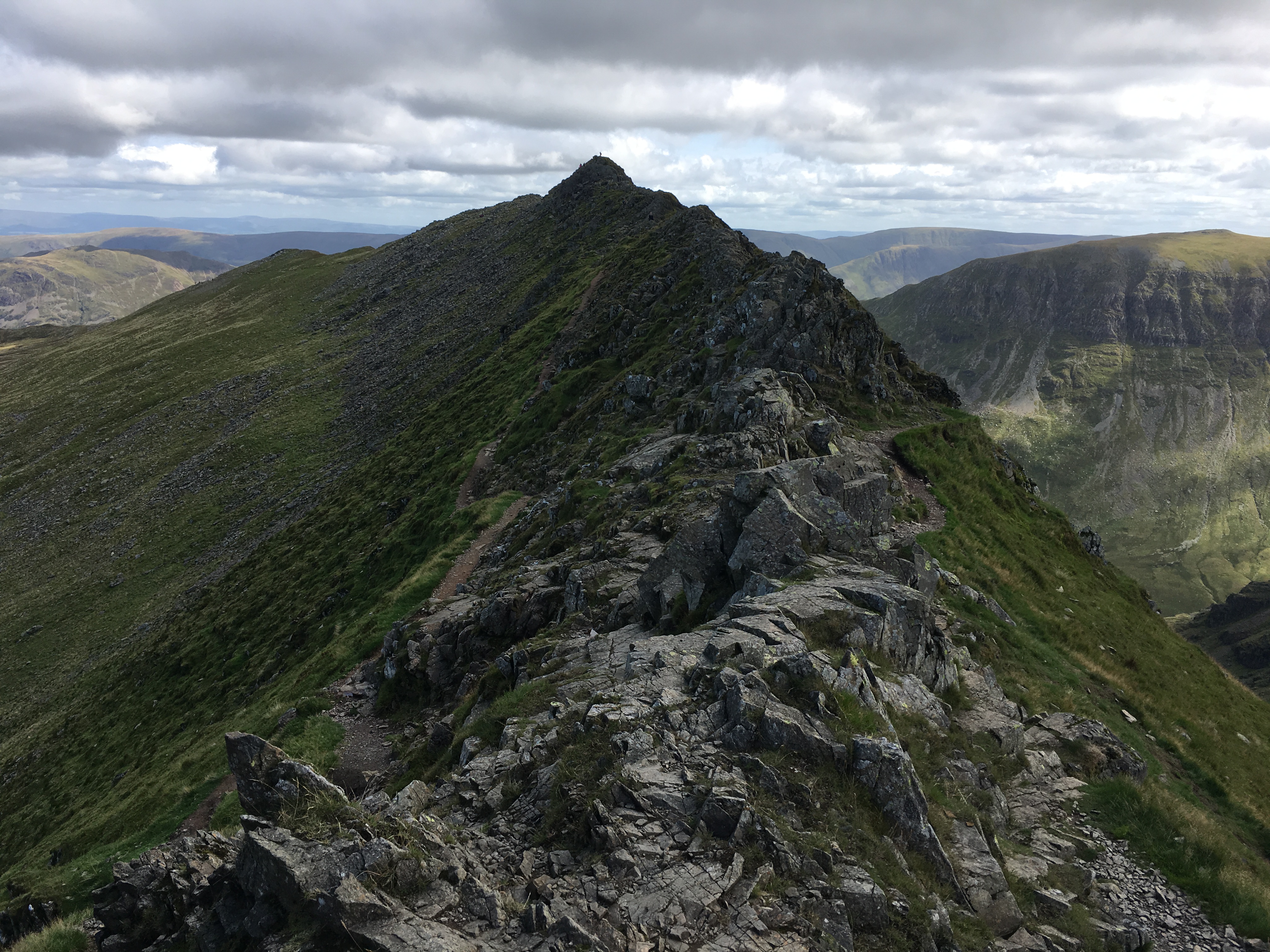
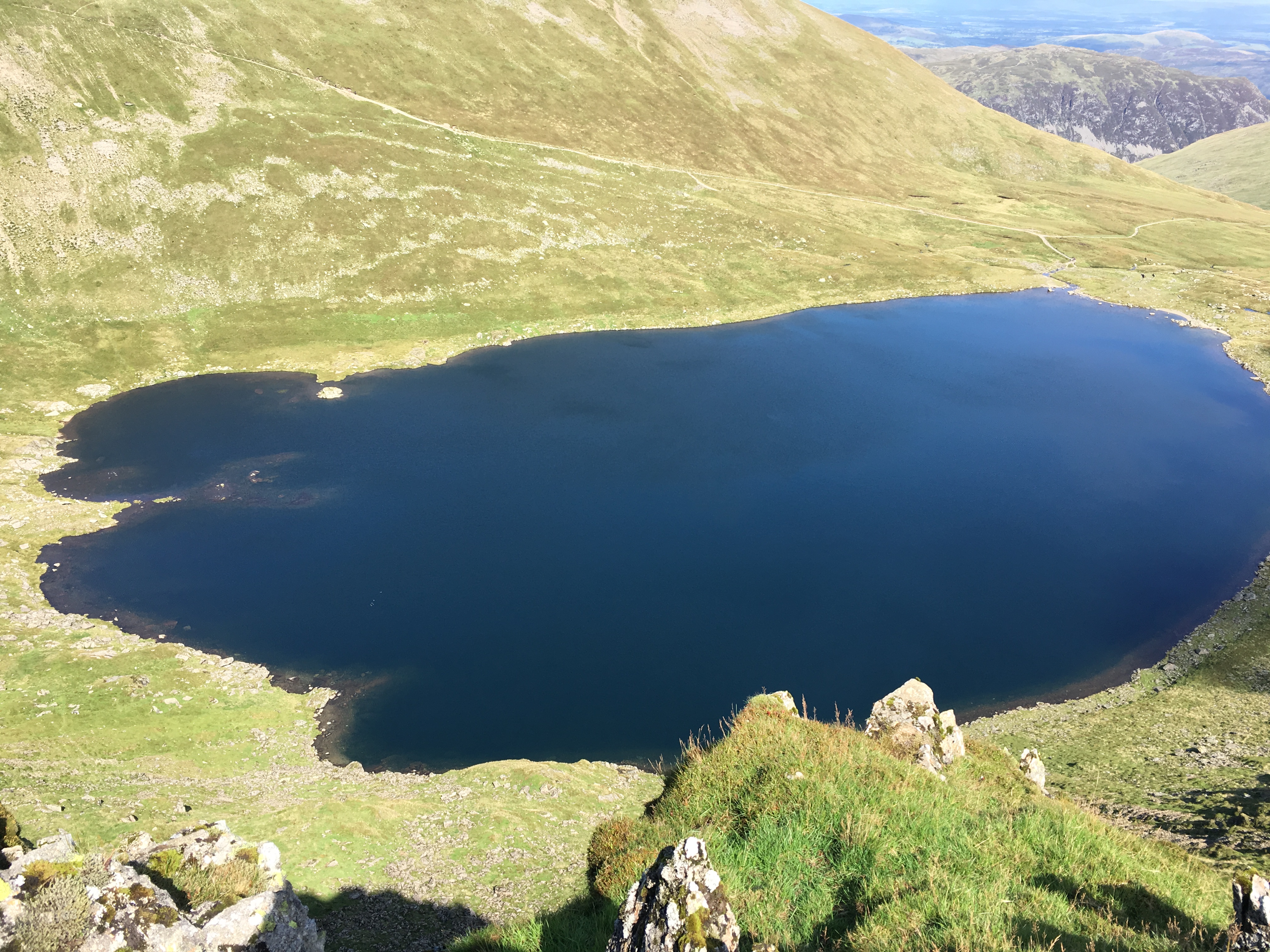
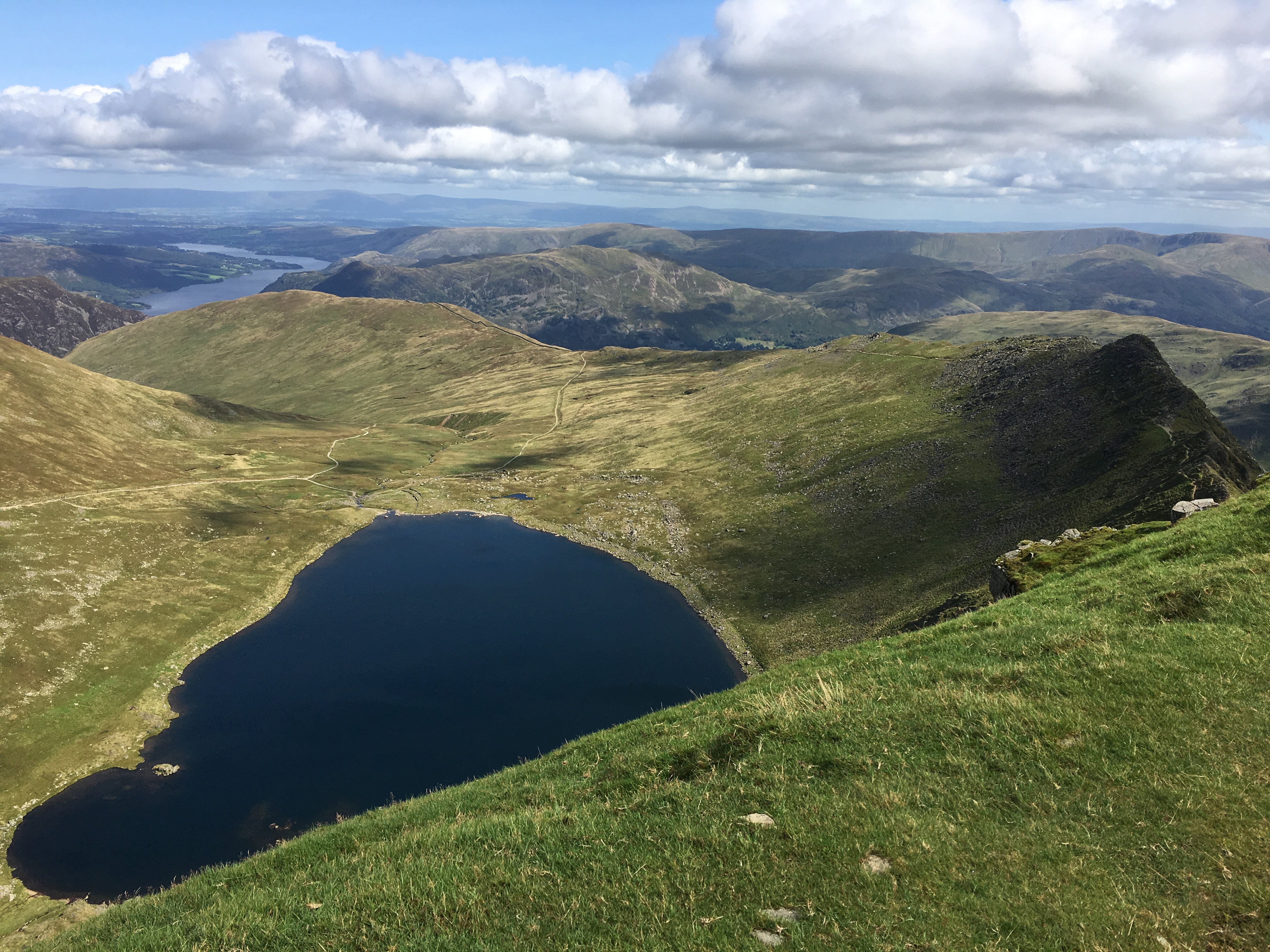
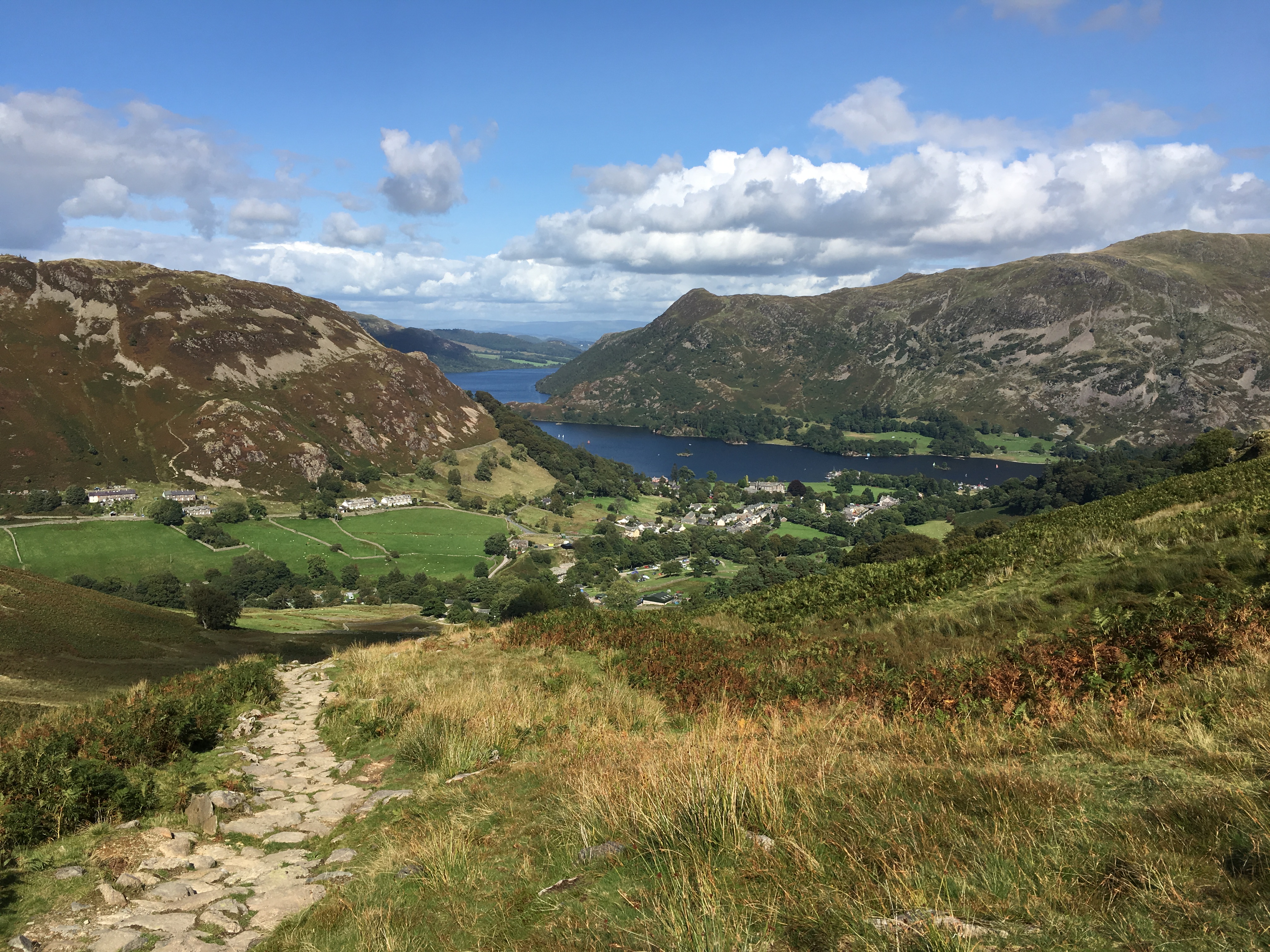
 This was a short, family walk starting from Skelwith Bridge. We parked on the road near the Skelwith Bridge Hotel and roughly followed the route to Loughrigg Tarn from the Jarrold Lake District Short Walks book. After a short ascent through a holiday park of wooden chalets, the route around the tarn is quite clear and largely flat. There is a small stream into the tarn which can be jumped or crossed by stepping stones.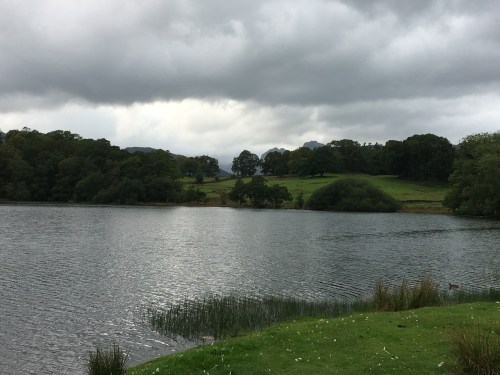
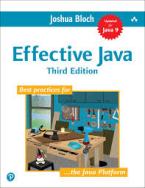 I’ve just finished reading this technical book on Java. It’s widely recommended if you’re going to work on a Java codebase and provides best practice guidelines on:
 This book isn’t the starting place for learning Java though (and doesn’t intend to be). For that, it’s worth turning to a more basic set of materials. I worked through a PluralSight course,
  This book is a sequel to Cold Blood, which I hadn’t read. That meant I had little understanding about why the main character, Nick Stone, and his team were being hunted by the mysterious “Owl” and what intelligence they were hiding as leverage to keep themselves safe.
 The sub-title of this book is “Secret diaries of a Junior Doctor”, because Adam Kay was for some years a doctor in the National Health Service. His stories are often hilarious but they also reveal just what stress the doctors and the NHS as a whole are under. He had a successful career as a doctor, including several promotions – but ultimately, the crazy demands of the job took its toll on his well-being as well as his relationships and he had to leave.

