
I’ve watched a few of the Going Native 2013 videos now and, whilst I was impressed by Herb Sutter’s games written in Cinder, I particularly like the slide and gather algorithms demonstrated by Sean Parent in his C++ seasoning presentation:
template<typename Iter>
auto slide(Iter begin, Iter end, Iter target) -> std::pair<Iter,Iter>
{
    if (target < begin) return std::make_pair( target, std::rotate(target, begin, end) );
    if (end < target) return std::make_pair( std::rotate( begin, end, target ), target );
    return std::make_pair( begin, end );
}

template<typename Iter, typename Pred>
auto gather(Iter begin, Iter end, Iter target, Pred predicate) -> std::pair<Iter,Iter>
{
    auto start = std::stable_partition( begin, target, std::not1(predicate) );
    auto finish = std::stable_partition( target, end, predicate );
    return std::make_pair(start, finish);
}
Whilst I haven’t used std::rotate or std::stable_partition, I’m sure to use these two algorithms built on top of them, probably because their behaviour is so much easier to describe.
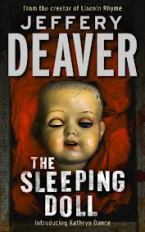 Jeffery Deaver has introduced a new character. Special Agent Kathryn Dance is the star of this thriller and, for me, it’s every bit as good as one of his Lincoln Rhyme books. There are massive parallels – Rhyme is an expert criminologist who can track the movements of a suspect by the merest grain of sand that falls from his trousers; Dance is an expert interrogator who can pry into the innermost thoughts of a suspect by spotting the tiniest signals from their body language. I was impressed at the technical depth the author shows in his knowledge of the Kinesics (he even includes a list of books for further reading). And I loved the passage when Dance phoned up Rhyme for advice in the middle of the book and talks to his assistant Amelia Sachs, the other star of those books – priceless.
 I picked up this book, the first of “The Second Foundation Trilogy, authorised by the Estate of Isaac Asimov” after enjoying
 My Dad gave me a rather nice hard back edition of this book – I’d read it once before, but it’s one of the best Jack Reacher thrillers and I was happy to read it again. What makes it so good? Well, it’s a flash back to when Reacher was in the army, and it explains one of the mysteries of this series that’s often mentioned in other books – why did he suffer demotion back to Captain? It also touches on his family background and we see his strained relationship with his brother. It seems that everything and everyone is against him – his awful boss, the higher echelons of the army, his sick mother’s health. Being Reacher, he takes it on the chin, ignores the growing list of dangerous enemies, makes a valuable ally in fellow MP Summer, and stays true to his own code of justice.
 musingstudio